

For a long time, I thought life was mostly about its biggest moments. The trips, the accomplishments, the finish lines. I was always looking slightly ahead of wherever I was.
This was especially true when I was back in school. Getting through it — just being finished — was never far from my mind. I rushed through semesters, counted clinical days, told myself that once I got to the other side, then I could breathe. Then life could actually start.
What I didn’t see at the time was that life was already going. Right through me, while I was looking somewhere else.
The Morning I Finally Looked Up
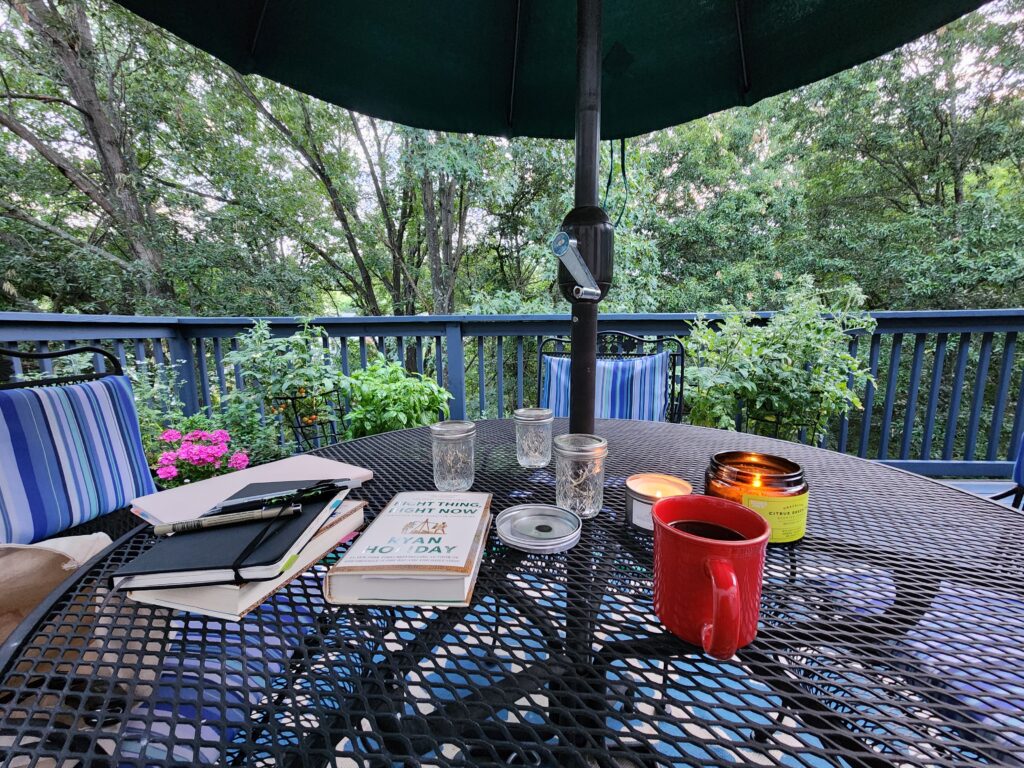
There was an ordinary morning — coffee, back porch, nothing special planned. I looked up and noticed how the early light came through the trees. The way the leaves moved when the wind passed through. Birds starting their day. A woodpecker somewhere in the distance. The whole quiet soundtrack of a morning doing what mornings do.
I’d probably seen that same view a thousand times. That morning, I actually saw it.
Nothing was fixed. Nothing was resolved. There was just the morning, and me actually paying attention to it.
I thought about how often I move through my days without that kind of attention. How a full schedule and a running list can make even a beautiful morning feel like scenery you’re passing rather than something you’re actually in.
What We Keep Moving Past
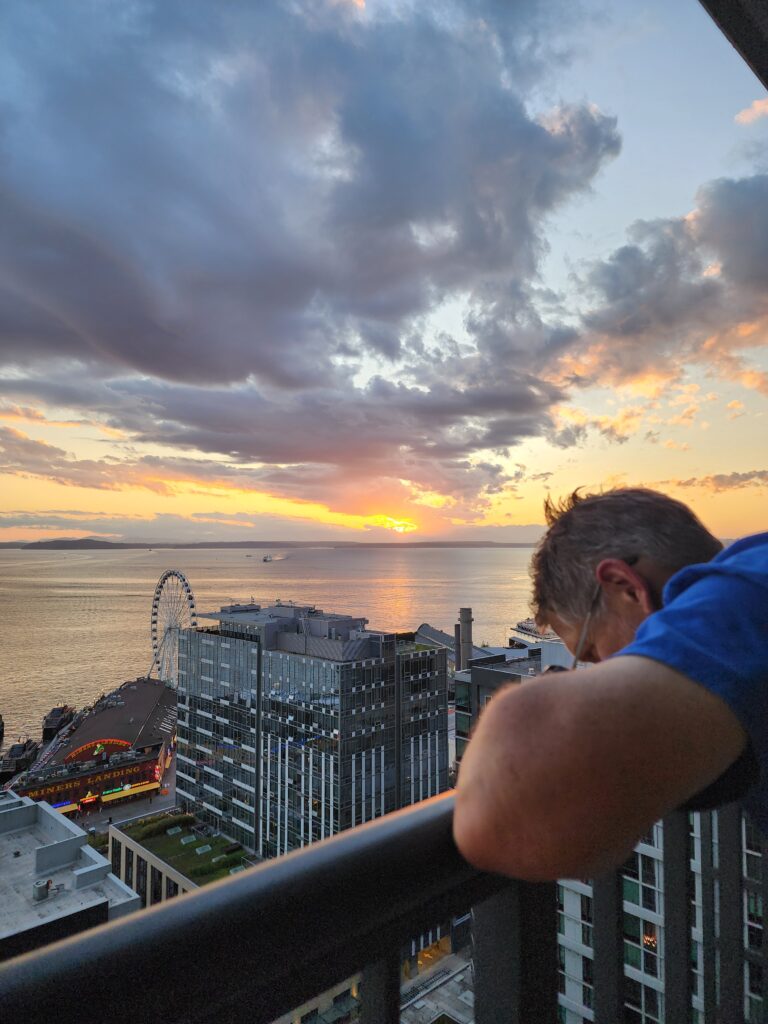
Most of us do this. We spend so much time running toward what’s next that the present moment becomes something to get through. We tell ourselves: when the project wraps up, when the kids are older, when things calm down, when I take that trip. I understand the pull. I’ve said all of those things.
But if the good stuff is always just around the next corner, we miss everything happening on this one. The Life You’re Postponing Is the Only One You Have
It’s in the sound of the dogs losing their minds because you walked in the door. The hug that lasts a few seconds longer than you expected. Ice water on a hot day. The window seat at lunch after spending all morning in a dark radiology suite. A song that comes on and makes you sing along and not care. Tom setting up the French press the night before so it’s ready without thinking.
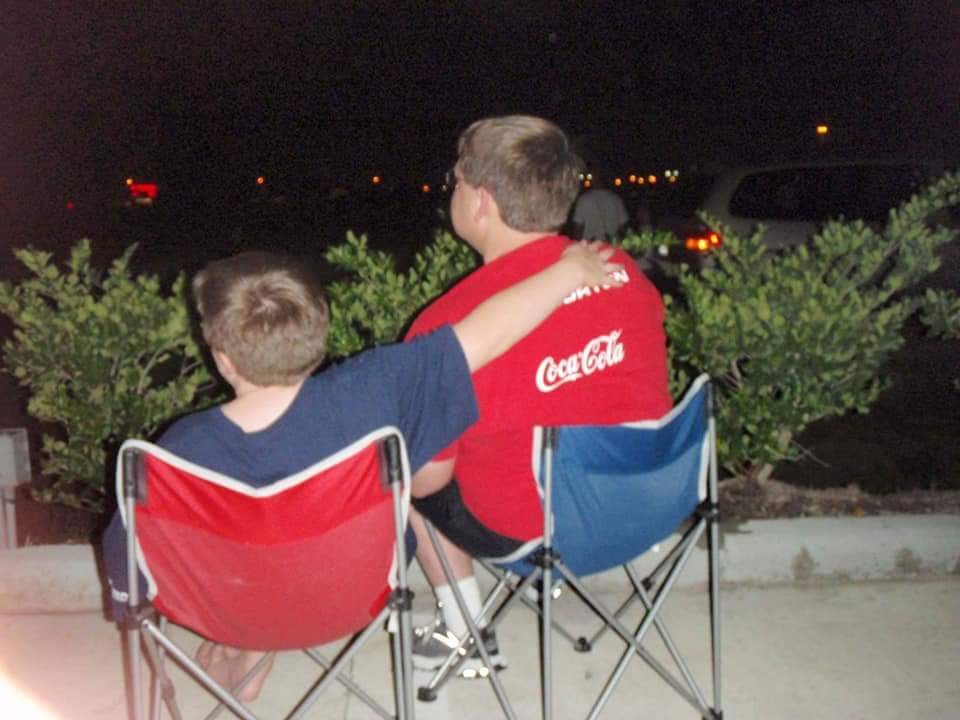
These aren’t fillers between real life. They are real life. And they keep happening whether we notice them or not.


What Has Actually Helped
I’m not naturally a present-moment person. My mind is usually planning ahead.
What has helped isn’t a practice. It’s a small decision, made at ordinary moments, to actually be where I already am.
Sitting in the car for a minute before going inside instead of immediately carrying the day into the house. Standing outside for a few minutes in the morning before the phone gets involved. Letting a hug be a real hug instead of a transition to the next thing.
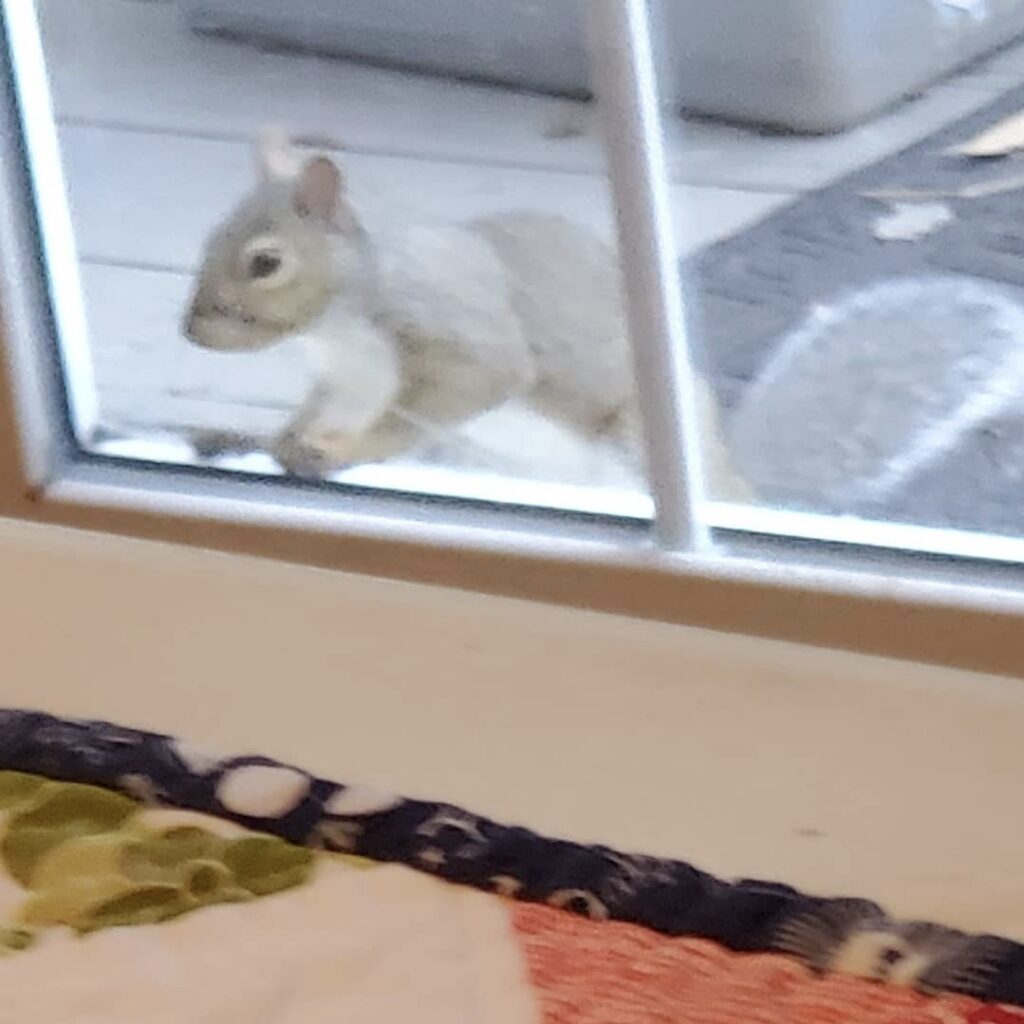
And at the end of the day — not a gratitude list, not a journaling practice — just one thing. One specific thing from the day worth remembering. Tom and the French press. The squirrel that reappears at the same window every morning. A patient who said something that made me laugh. One thing named out loud or written down.It’s small enough that it actually happens. And once you start looking for one thing worth remembering, you notice more during the day.
What the Back Porch Morning Was Really About
Somewhere between the rushing-through and the sitting-still, I started to notice something.
The life I’d been waiting for wasn’t somewhere ahead. It was the one with the woodpecker and the coffee and the light through the trees. The one with Gracie and Gus piled up on the couch. The one with Tom setting up the French press the night before because he knows I’ll want coffee in the morning.
Messier than I’d imagined. Quieter in some ways, louder in others. Full of small moments that don’t announce themselves as meaningful — but are.
That back porch morning didn’t tell me anything I didn’t already know. It just gave me a few minutes of actually being in it. Which turned out to be enough.
If this resonates — Why Can’t I Start? (Even When I Finally Have Time) explores the other side of the same problem.
The Weekly Reset lands every Friday morning — one grounded perspective, one small action, real dispatches from an ordinary life. Subscribe here.
And if you want to build more of this deliberately — the Fully Lived Framework beta opens soon. Get on the waitlist →