
I didn’t learn this the hard way. I learned it early, because I didn’t have a choice.
When Tom and I got together, I also got two little daughters. They weren’t with us full time, and over the years we were never in the same city — the girls lived in three different places, we lived in two. Which means the time we did have together was time we’d planned around, worked schedules around, sometimes driven hours to get to. The last thing we were going to do was spend it frustrated because the afternoon didn’t go according to plan.
And if you have ever tried to run a tight itinerary with small children, you already know how that goes anyway. Four holes into mini golf one of them disappeared and was happily playing in a flooded section of the course. At a museum in Houston that same girl fell into a pond — full stop, completely in — and we spent the next hour in the gift shop buying a dry t-shirt and laughing about it instead of seeing whatever we’d planned to see next. The toddler is done at 2pm whether you are done or not. Someone is hungry at the wrong time, or tired, or has found a puddle that has nothing to do with your plans.
You adapt or you spend the whole trip frustrated. Those are the options.
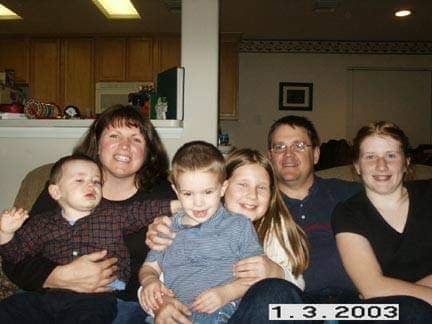
Eight years later we added two more kids to the mix, and whatever flexibility I hadn’t already learned, I learned then. Four children across two households, different ages, different energy levels, different ideas about what counts as a good day. A rigid itinerary wasn’t just ineffective — it was almost funny to attempt.
So I let it go. I’m not someone who needs things to be perfect — but I do like a plan — and the trips where we held to it too tightly were miserable, and the ones where we let the day have some say were the ones the kids still talk about. You learn fast what actually works.
What works is this: have a place to stay, have a list of things that sound good, and then let the day decide.
Why Overplanning Works Against You
The problem with a tight itinerary isn’t the planning itself. It’s when the plan becomes the point — when you’re so focused on executing the schedule that you stop noticing what’s actually in front of you.
The best moments usually aren’t on the itinerary. They’re what happens when you leave enough space for something else to show up.
What This Looks Like in Practice
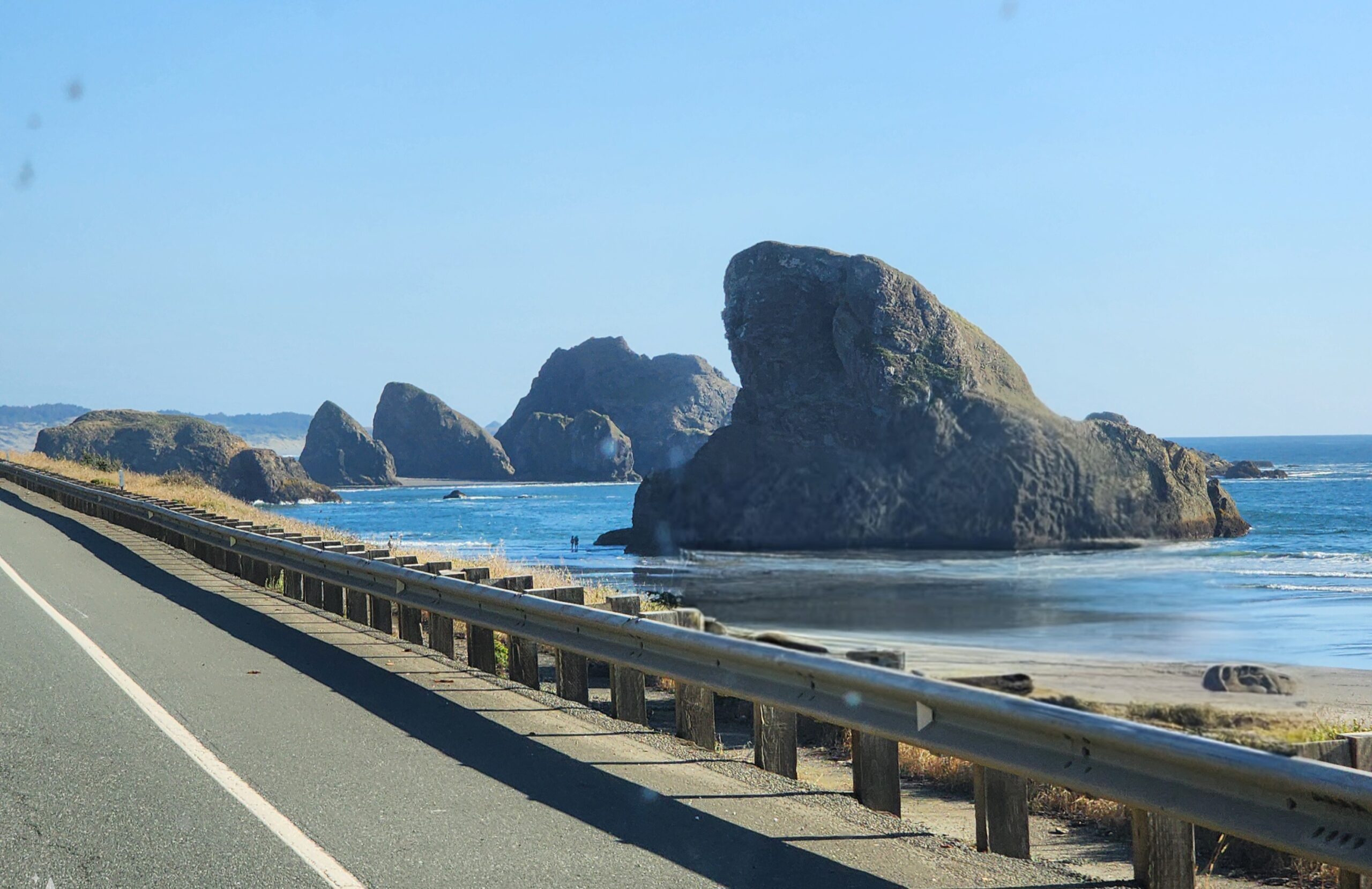
When Tom and I drove the Pacific Northwest last year, I did the things I always do: I booked the accommodations. For the coast, I wanted something on the beach, and that part was worth the advance planning. Beyond that, I made a list of options rather than a schedule — places that sounded interesting, restaurants worth trying, stretches of coastline we might want to stop along. We didn’t commit to any of it in advance.
Each morning we checked in with how we felt and decided from there.
The first night in Seattle we were more tired than expected. My instinct was to push through. Instead we got dinner near the Airbnb and then watched the Sound go dark and all the lights come alive from our balcony. We stayed out longer than planned just talking. That ended up being one of the best parts of the trip.
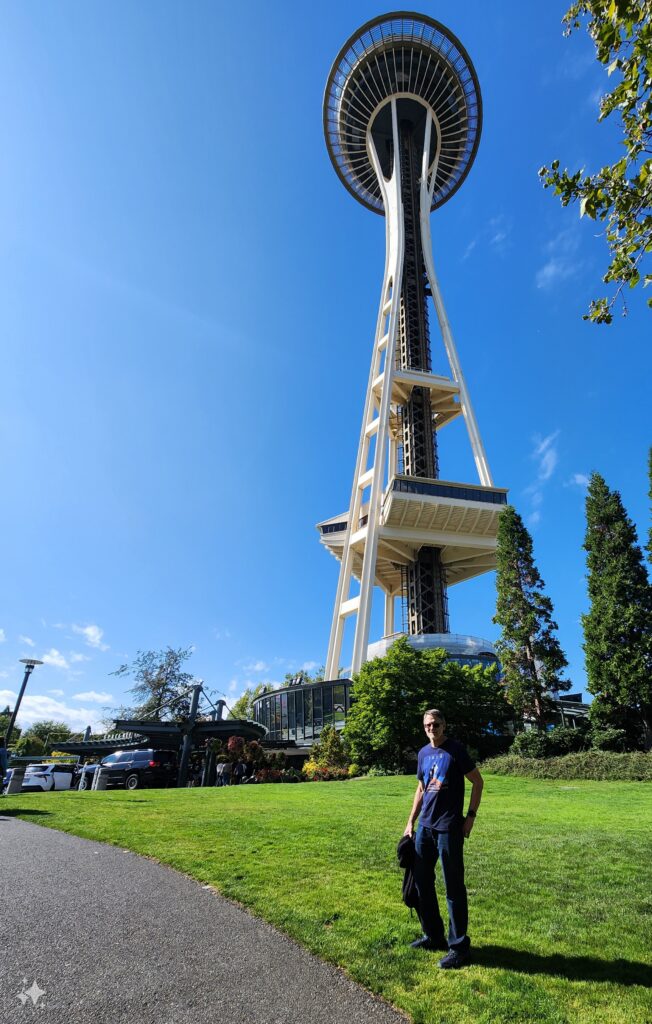
For Seattle we did have a few things we weren’t willing to miss — MoPOP, the Space Needle, Pike Place, the Puget Sound cruise. A Seattle CityPASS made the admissions manageable and led us to the aquarium, which wasn’t on either of our lists and turned out to be worth the stop. But even those we didn’t assign to specific days. We got to them when we got to them.
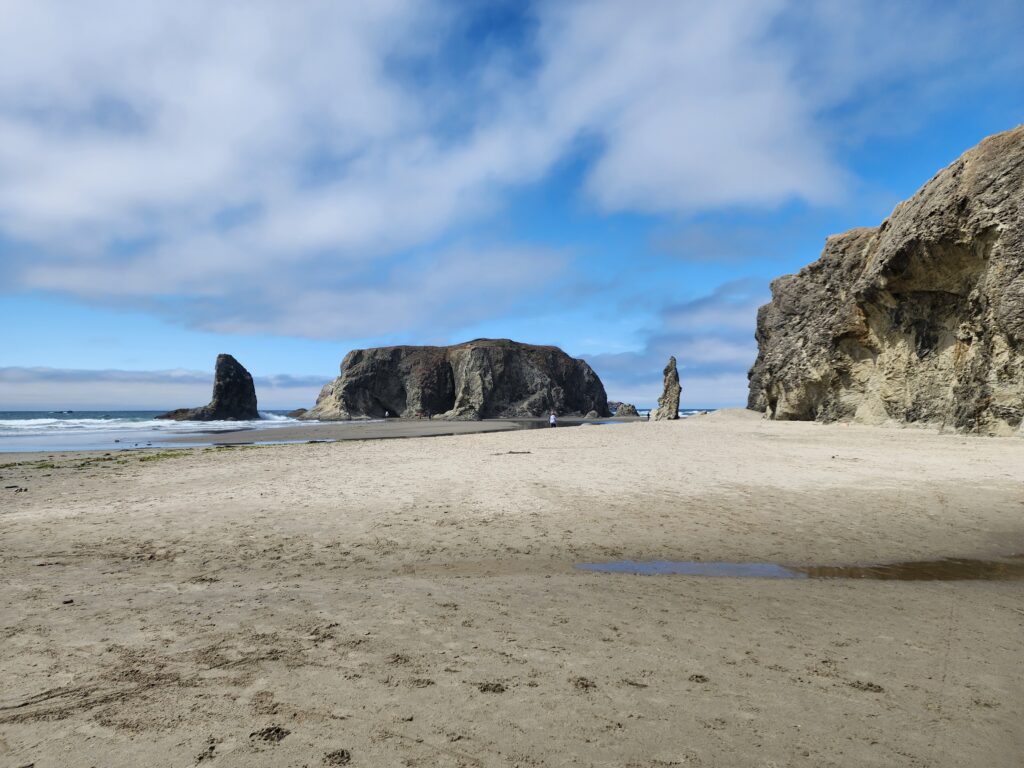
On the coast we leaned into the open list fully. Face Rock Beach wasn’t in any guidebook we’d looked at. We pulled over because something looked interesting from the road and wandered down to the lower beach. We explored the shoreline, watched the waves roll in, and stayed longer than we expected. That hour is the one I keep coming back to when I think about the trip.
How to Try This
This works because it’s structured enough not to feel aimless, but loose enough to breathe.
Book your accommodations. Always. Flexibility about what you do each day is manageable. Trying to find a place to sleep at 9pm on a Friday on the Oregon coast is not.
Make a list of options, not a timeline. Generous enough that you have something to reach for, but without assigned days or times. You’ll use half of it. The rest is there when you need it.
Pick two or three things that genuinely matter to you and give those priority. Let everything else be negotiable.
Let the day tell you what it needs. Tired is different from energized. A good trip adjusts to the people on it.
Talk to people when you get there. Some of the best stops on that coast drive came from a quick conversation at a coffee counter and someone in a parking lot who said, have you been to the lower beach yet?
What You Actually Remember
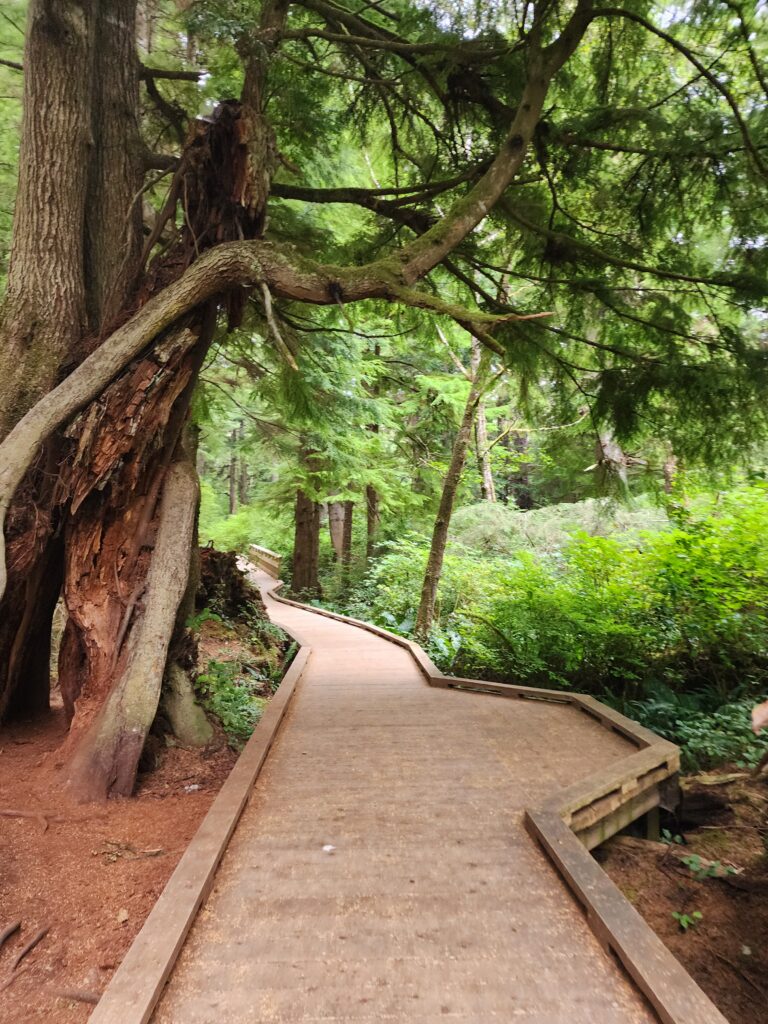
The sunset at Rockaway Beach. The old-growth forest we found because we took a wrong turn. The viewpoint Tom spotted when it was getting late and I wanted to keep moving — the one that turned out to be the best photograph of the trip.
None of those were on any list.
A good trip isn’t measured by how much ground you covered. It’s measured by how present you were while you were there.
Every Friday morning I send the Weekly Reset — one grounded perspective and one small thing to carry into the weekend. Link in the sidebar if you want in.