

.
When people talk about longevity, they usually mean adding years. But I’ve learned that true longevity isn’t about counting candles on a cake—it’s about how strong, mobile, and purposeful you feel in the years you do have.
Longevity isn’t about perfection. It’s about small, intentional habits that build a foundation you can rely on today and years from now.
Affiliate Disclosure: Handcrafted Adventure is supported in part through affiliate links. If you click and buy, I may receive a small commission (with no extra cost to you). I only recommend gear and resources that fit the way I actually live, explore, and reset.
1. Strength You Can Rely On
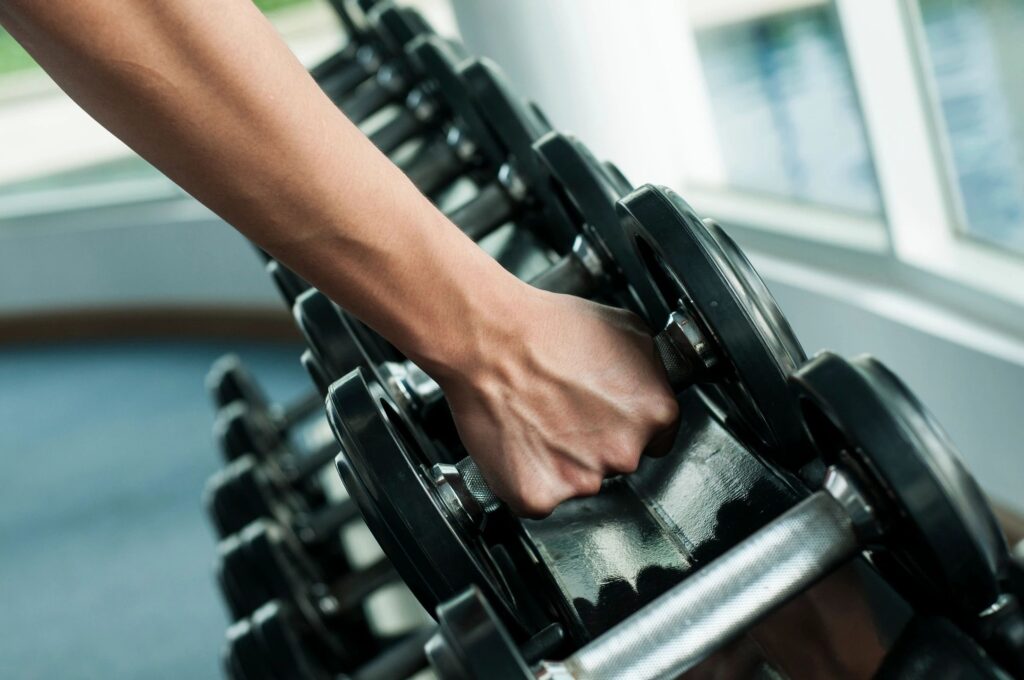
Strength isn’t just for athletes. It’s for carrying groceries without strain, lifting a suitcase into the trunk, or getting down on the floor with grandkids and standing back up with ease.
Research shows that having more muscle mass isn’t just about how you feel—it’s directly tied to longevity. Older adults with greater muscle mass have a lower risk of illness, injury, and even early death. The stronger you stay, the longer and better you live.
In my own reset, I started with the basics: squats, rows, and presses using dumbbells two to three times a week. Just enough to challenge myself, not exhaust myself. That consistency built strength I could feel in everyday life.
Tip: Start with two short sessions per week. Even 10 to 20 minutes matters more than doing nothing.
My go-to gear: adjustable dumbbells and resistance bands that fit right in a closet corner.

2. Mobility That Keeps You Moving
Strength helps you lift. Mobility gives you freedom. It’s what lets you reach, bend, stretch, and hike without stiffness holding you back.
And mobility isn’t optional—it’s equally important. Working your joints through their full range of motion keeps them healthy, prevents stiffness, and makes every other kind of movement easier.
For me, mobility shows up in small daily habits:
- A two minute squat while the coffee brews.
- Joint mobility exercises for flexibility.
- Short walks with the dogs that loosen stiff muscles and clear my mind.
These little practices may not feel like much in the moment, but stacked together—like bricks (or Legos!) —they build the foundation for lasting change.
If you’re thinking about longevity from a movement perspective, this post pairs well with:
Mobility Matters: The Simple Routine That Keeps You Moving Strong

3. Recovery: The Forgotten Key
Recovery is where strength and mobility improvements “stick.” Your body needs time to repair—and yes, being too stressed or tired can raise cortisol, which isn’t good for muscle, energy, or long-term health.
That means:
- Sleep: A consistent bedtime routine. My energy tanks when I drop under 7 hours.
- Hydration: Water + electrolytes. I use LMNT on long walks and workouts—it keeps my energy steady without sugar crashes.
- Rest days: Not setbacks. They’re where the progress happens.
On rest days, I still move—light stretching or yoga or or an easy walk—but I give my body the margin it needs to recover and rebuild.

4. Food That Fuels Longevity
You can’t build longevity on processed foods or quick fixes. The foundation is real, low-carb meals that protect muscle, bones, and energy while avoiding the blood sugar crashes that drain your body over time.
For me, that means:
- Protein-forward meals (eggs, meat) to preserve muscle and strength.
- Healthy fats (butter, olive oil, avocado) for steady energy and hormone balance.
- Low-carb, whole foods that keep my energy even and my recovery strong.
This isn’t about restriction—it’s about eating in a way that leaves you feeling good, focused, and fueled for adventure.
5. Purpose That Keeps You Young
Maybe the most overlooked key to longevity is purpose. It’s what keeps you motivated, engaged, and willing to keep learning.
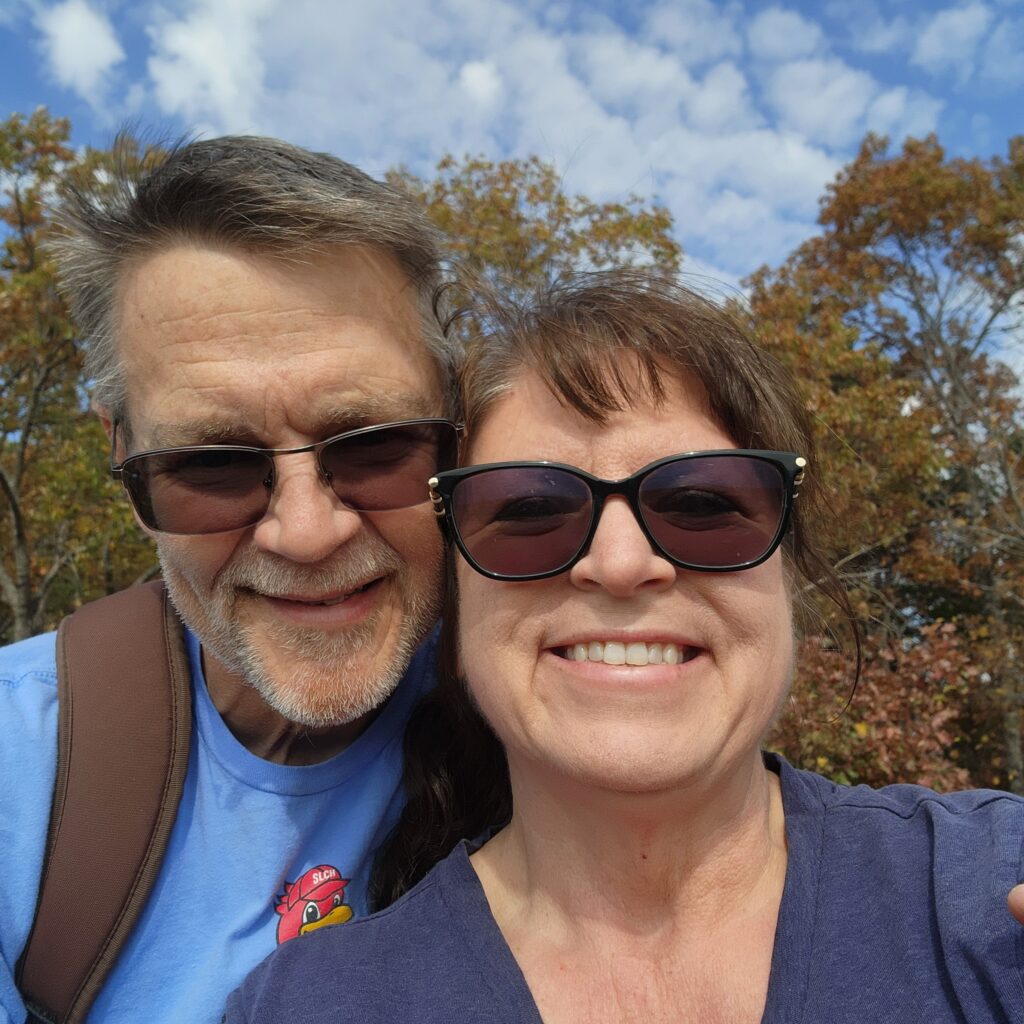
For me, purpose is learning, everyday adventures, and the goals Tom and I set together. For you, it might be mentoring, creativity, travel, or new challenges.
What matters is staying curious. That’s what keeps your spirit young.
For inspiration, revisit What Is Adventure, Really?—my take on finding wonder in daily life.

6. Stress & Connection: The Overlooked Pillars
I’d be missing something if I didn’t include these.
- Stress: When I let stress pile up, everything else starts to unravel. A quick journal entry, a short walk outside, or even a few deep breaths can reset my whole day. It doesn’t have to be big—just something that reminds me to slow down.
- Connection: The research is clear, but honestly, I don’t need a study to know this—people who stay connected live better. Simple dinners with family, a phone call with a friend, or even chatting with a neighbor bring more joy and meaning than anything money can buy.
When I feel weighed down by money stress, everything else feels harder. That’s why I wrote about Financial Clarity—simple steps to get clear and feel more secure.
For a realistic approach to maintaining strength through changing seasons, this also connects with:
Strength Training After Setbacks

A Final Word: Progress Over Perfection
Here’s what I’ve learned the hard way: longevity doesn’t have to be complicated, long, or perfect. Something is always better than nothing.
Post-surgery and through my own resets, I’ve built back slowly—one small step at a time. Some days I can push a little harder. Other days I need to pull back, rest, and let my body recover. Both matter.
It’s the small, consistent efforts that really bring change. Think of each walk, stretch, or workout as another brick in your foundation. On its own it may not seem like much, but stacked together, those blocks build strength, energy, and freedom you can count on.
Listening to your body isn’t weakness—it’s wisdom. That balance—showing up when you can, resting when you need to—is what makes this a lifestyle you can live with, not just a plan you try to follow.
Longevity Is About Living Better
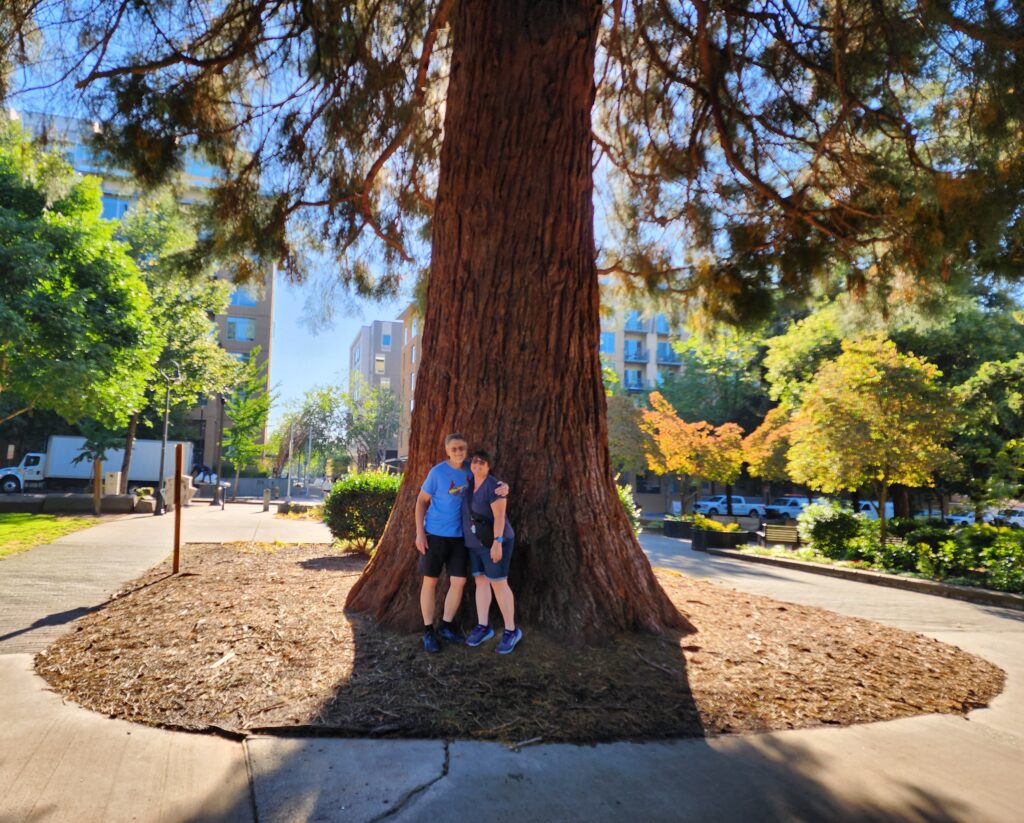
At the end of the day, longevity isn’t about hitting a certain number of years. It’s about creating a life that supports your body, mind, and spirit—so you can keep showing up for the people and adventures that matter most.
Living longer isn’t the goal. Living better is.
Your Next Step
If you’re ready to start thinking about longevity as more than just years on a calendar, begin small. Build one habit at a time, and let it stack into something bigger.
If you want simple structure you can return to
Longevity isn’t built through extremes or perfect routines — it’s shaped by the small, repeatable habits that support your energy over time.
If you want tools that help you stay consistent without obsessing over optimization, these resources are designed to support real life, real seasons, and long-term momentum.
This post is part of the Health & Wellness pillar at Handcrafted Adventure —
focused on movement, nourishment, and habits that support long-term energy and real life, not perfect plans or biohacking extremes.
Disclaimer: This content is for educational and informational purposes only and is not intended as medical advice. Always consult a qualified healthcare professional before making changes to your exercise, nutrition, or health routine.
References
Saint-Maurice PF, et al. Daily step count and mortality among US adults. JAMA. 2020;323(12):1151-1160.
Bauer J, et al. Evidence-based recommendations for optimal dietary protein intake in older people. J Am Med Dir Assoc. 2013;14(8):542-559.
Leong DP, et al. Prognostic value of grip strength: findings from the PURE study. Lancet. 2015;386(9990):266-273.
Sherrington C, et al. Exercise to prevent falls in older adults: systematic review and meta-analysis. Br J Sports Med. 2017;51:1750-1758.
Ekelund U, et al. Physical activity, sedentary time, and mortality: harmonised meta-analysis. BMJ. 2019;366:l4570.
Alimujiang A, et al. Association between life purpose and mortality among US adults. JAMA Netw Open. 2019;2(5):e194270.
Srikanthan P, et al. Muscle Mass Index as a Predictor of Longevity in Older Adults. The American Journal of Medicine. 2014;127(6):547–553.
Yaribeygi H, et al. Effects of stress on body function: A review. Excli Journal. 2017;16:1057–1073. Findings show chronic stress—via elevated cortisol—leads to muscle breakdown, inflammation, fatigue, and tissue degeneration.
Seidelmann SB, Claggett B, Cheng S, et al. Dietary carbohydrate intake and mortality: a prospective cohort study and meta-analysis. Lancet Public Health. 2018;3(9):e419-e428. doi:10.1016/S2468-2667(18)30135-X
Nagai K, Tamakoshi A, Yatsuya H, et al. Association between protein intake and all-cause mortality in community-dwelling older Japanese: The JACC Study. BMC Geriatr. 2023;23(1):91. doi:10.1186/s12877-023-04173-w