
Strength training didn’t become part of my life until 2020, when Tom was recovering from his hip replacements. We started walking together every day during his recovery. At first, it was about helping him heal, but those daily walks lit a spark for both of us.
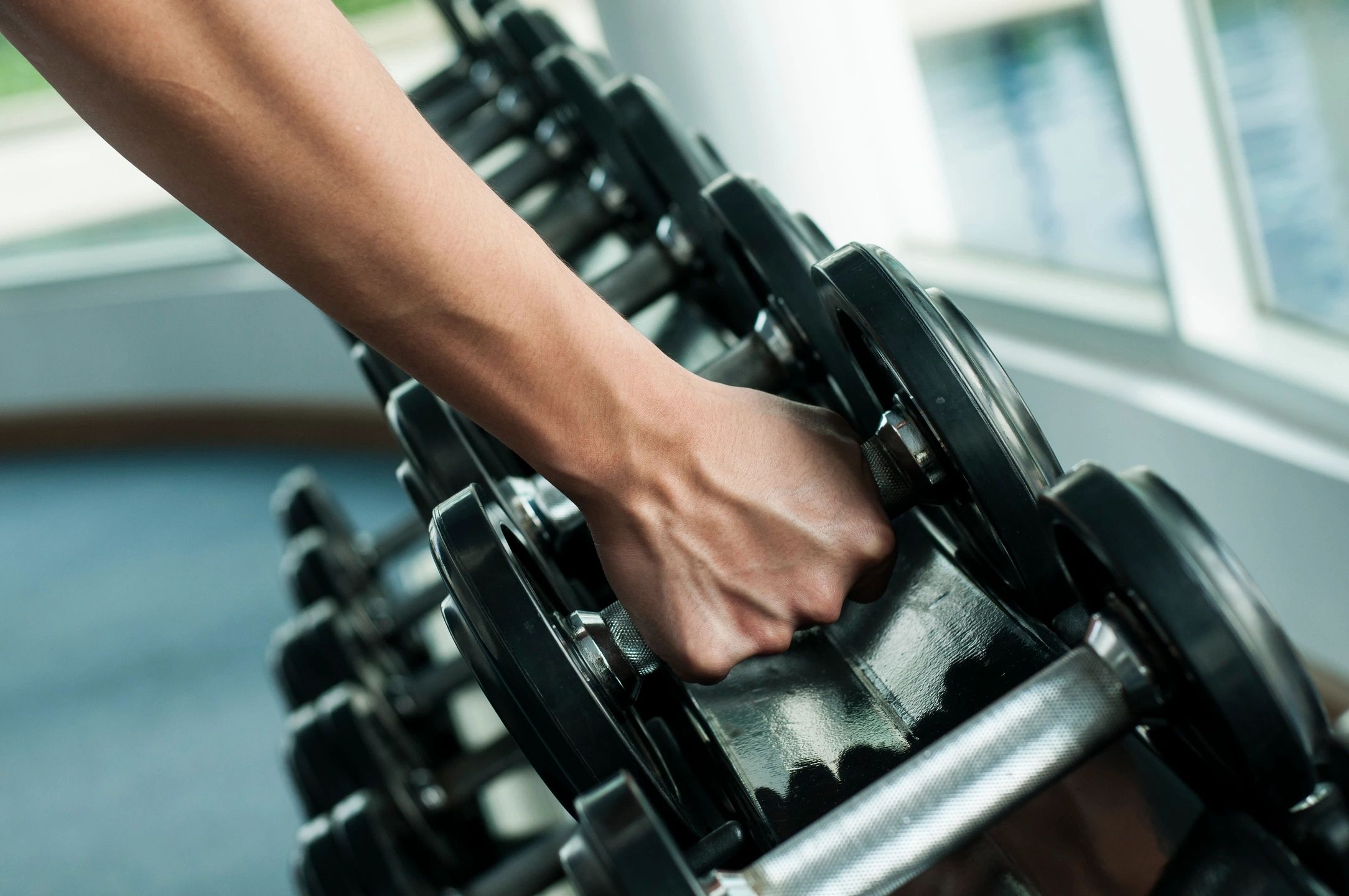
By 2021, we added dumbbell strength training to our routine. I loved the way it made me feel — steadier, stronger, more capable. Even when I went back to school at 54, I didn’t give it up. I set my alarm for 4:00 a.m. most mornings so I could work out before heading to classes or clinicals. That strict routine kept me grounded through one of the busiest, most demanding seasons of my life.
And then life shifted.
After graduation, the structure that had carried me for years was gone. Long work hours left me drained, and my walking became sporadic. I struggled to get back to the daily consistency that had once felt second nature. Just as I was finding my footing again, two more setbacks hit: a big move and, not long after, an unexpected gallbladder surgery when a gallstone blocked my duct.
It was frustrating. I felt like I’d lost the progress I had worked so hard to build. But here’s what I’ve learned along the way: setbacks aren’t failures — they’re pauses. And pauses can become the starting point for something even stronger.
This isn’t about pushing through — it’s about returning in a way your body can trust.

Step 1: Start Smaller Than You Expect
The first time I picked up my dumbbells after surgery, it felt humbling. My strength wasn’t where it had been in 2021. But instead of pushing too hard, I started with short 15–20 minute sessions and lighter weights. Moves like squats, presses, and rows gave me a simple foundation to build on.
It wasn’t glamorous, but it worked — because showing up mattered more than the numbers I lifted.
What helped me restart:
- Adjustable Dumbbells — I love these because I could start light and build back slowly without needing a whole rack of weights.
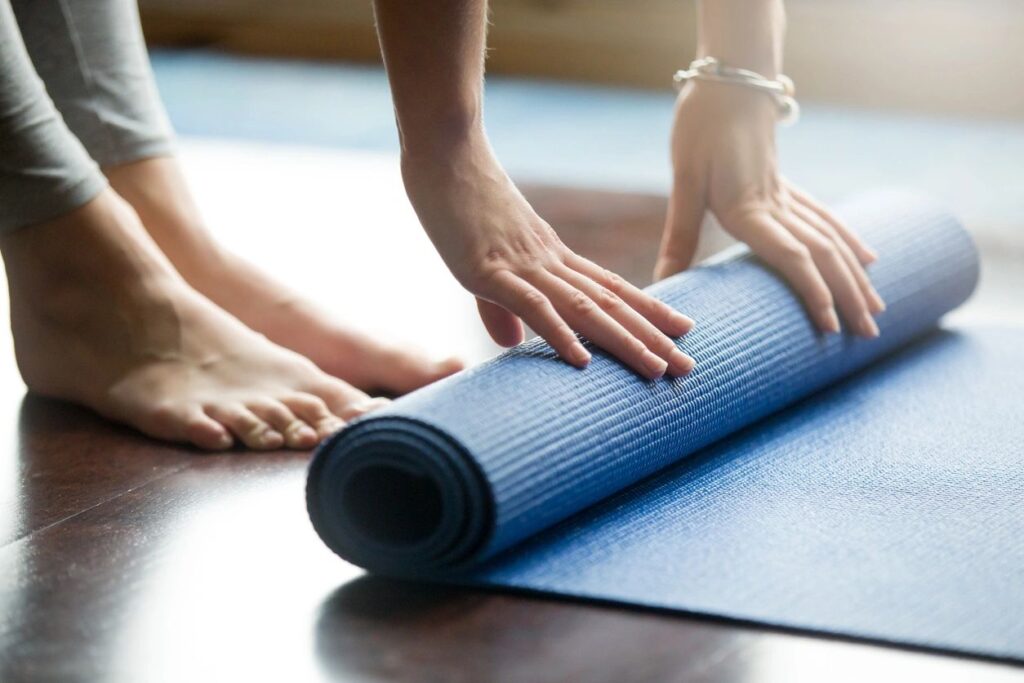
- Yoga Mat — not just for yoga. I use mine for squats, bridges, and core moves so I’m not slipping on hardwood or grinding into the floor. If you’re just getting started, the Gaiam Essentials Thick Mat is affordable and cushioned. If you want to invest in one you’ll never need to replace, the Manduka PRO Mat is a premium upgrade with incredible durability.
If you’re restarting, having these two basics makes all the difference. They’ll give you confidence and keep you consistent.

Step 2: Track Small Wins
After setbacks, progress doesn’t always show up in the mirror. It looks like finishing a workout without quitting. Adding five pounds back to your squat. Walking upstairs without feeling wiped.
For me, the HA Habit Tracker and my Garmin watch were lifesavers. They showed me progress I might have missed. Each checkmark or data point became proof that I was moving forward, one small step at a time.
I use a Garmin watch to track my progress — not to obsess over numbers, but to celebrate small wins. If you’re just getting started, I recommend something like the Garmin Venu 3 for all-around health and fitness tracking or the Garmin Forerunner 265 if you want something a little more sport-focused. Both give you clear, easy-to-use data on sleep, stress, and workouts without feeling overwhelming.
If your body needs a gentler re-entry point, this post pairs well with:
Mobility Matters: The Simple Routine That Keeps You Moving Strong

Step 3: Redefine Strength
In 2021, strength meant pushing for heavier dumbbells. But after moving and surgery, strength looked different. It was being able to carry groceries in one trip. Standing tall through a long shift at work. Saying yes to hikes and road trips because I trusted my body again.
Strength shifts with each season of life. What matters is continuing to build it — even when it looks different than before.
How Often to Train After a Setback
One of the questions I wrestled with was, how often should I train now?
Here’s what worked for me:
- 2–3 days per week of strength training to start.
- Sessions of 15–30 minutes — consistency first, not marathon workouts.
- Gentle movement — walking or stretching — on off days to stay active.
Once you feel steady, you can add more days, increase weights, or expand your routine. But in the beginning, less is more.
Related: Simple Dumbbell Workout for Strength, Energy & Everyday Confidence — the 15-minute workout that helped me rebuild momentum.
A Simple Restart Circuit
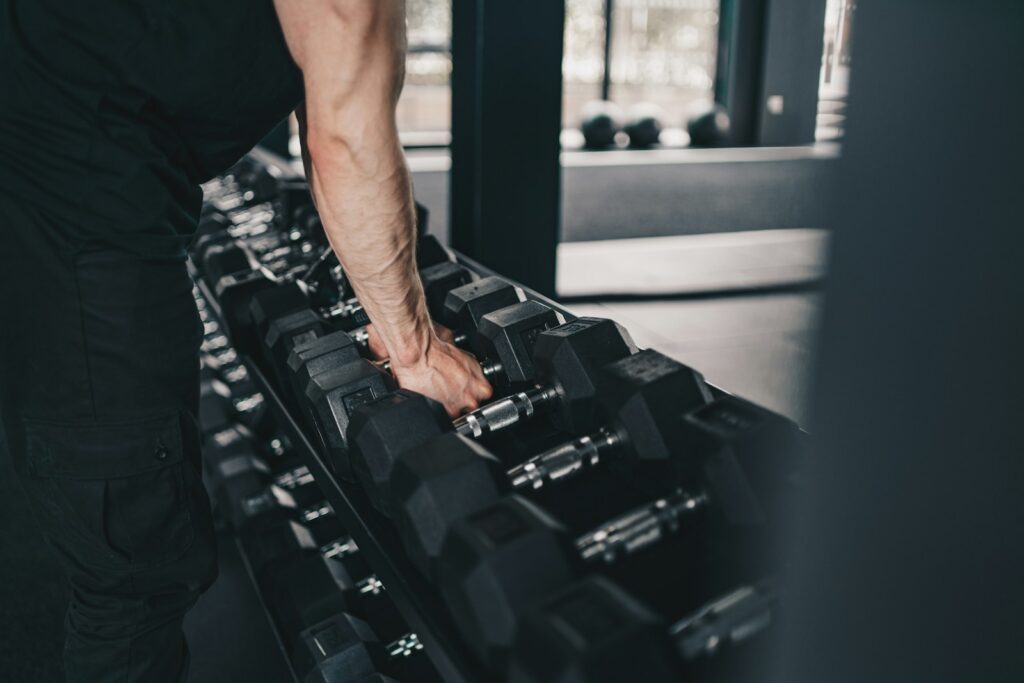
My current routine now includes plenty of moves — squats, lunges, rows, curls, presses, flys, core work, and bridges. But when I was restarting, I pared it down to the basics. Here’s an easy 10–15 minute circuit anyone can try:
- 10 squats (bodyweight or light dumbbells)
- 8 bent-over rows (each arm)
- 8 shoulder presses
- 10 glute bridges
Repeat 2x. Nothing fancy — just enough to remind your body (and your brain) that you’re back in motion.
Related: Transform Your Body and Boost Your Confidence: The Ultimate Beginner’s Guide to Strength Training and Longevity — for a bigger-picture look at how strength training supports long-term health.

Closing: The Power of Beginning Again
If you’ve had a setback — whether from moving, surgery, or just life being busy — you’re not starting over. You’re starting from experience.
Every restart builds resilience. Mine reminded me that strength isn’t just in the dumbbells. It’s in the choice to keep showing up.
For a seasonal perspective on consistency, this also connects with:
Stay Strong Through the Holidays
If you want simple structure you can return to
Setbacks don’t mean you’re starting over — they just change how you re-enter.
If you want support that helps you rebuild strength without rushing the process, these tools are designed to help you stay consistent without pressure or all-or-nothing thinking.
Free Health & Wellness tools
When you sign up, you’ll receive:
30-Day Walking Challenge
A low-pressure way to keep your body moving while strength rebuilds.
Monthly Habit Tracker
A simple way to notice patterns, stay grounded, and maintain momentum without forcing progress.
→ Get the free Health & Wellness tools
Want deeper structure?
The Strength & Mobility Planner is a paid upgrade designed to support safe strength-building, mobility, and recovery — especially after interruptions or setbacks.
→ View the Strength & Mobility Planner
—
This post is part of the Health & Wellness pillar at Handcrafted Adventure —
focused on movement, energy, and routines that support real life, not perfect plans.
Disclaimer:
The information in this post reflects personal experience and general wellness research and is intended for educational purposes only. It does not constitute medical advice and should not be relied upon as such. Always consult your physician or a qualified healthcare provider before beginning any new exercise, diet, or wellness regimen, especially if you have any underlying health conditions. Handcrafted Adventure and its authors disclaim any liability for injuries, losses, or damages incurred as a result of the use or misuse of the content provided.