
At the end of September I looked back at the list I’d made at the start of the month. It had four things on it. I wanted to finish a new pattern for Four Robbins, clean out the garage so we could get the second car inside before winter, clean and organize my studio so it would be easy to work in, and finish another round of edits on the Fully Lived Framework. I had time off coming, two days here and there and then four days together at the end of the month, and four things across all of that seemed like a modest plan.
One of the four was crossed off. The studio was cleaned and organized, and my filming setup was finally ready to use. The pattern was close to going out to testers, the Framework edits were about 80 percent done, and the garage was half cleared. If I judged September by that list, I hadn’t finished it.
If you’ve ever looked at three or four reasonable things at the end of a week or a month and wondered why they didn’t get done, the list may be the problem. A goal list holds the new things you wanted to do, and those have to fit inside a life that was already full before you wrote any of them down.
What the List Leaves Out
Your job probably isn’t on your goal list. Neither are dinner, laundry, groceries, appointments, bills, errands, keeping the house running, time with people you love, or the things you already do to take care of yourself. My September list didn’t include the shifts I worked between days off, the workouts I was already doing, or the ordinary weekly work both businesses need. None of it was new, so none of it felt like it belonged on a list of things I was trying to do.
Then there are the projects that have been going long enough to stop feeling like goals but aren’t finished yet: the room you’re painting, the paperwork you’re sorting out, the thing you volunteered to help with six weeks ago that’s still taking part of every Saturday. They fall off the list because they’ve been there a while, and they keep using your time anyway.
The things you keep up stop registering as work because you’ve done them for so long. They still take time and attention, and they still take some of the energy you were counting on for something new. You can have an open Saturday afternoon and still not have the energy for four hours of another project, or you can have plenty of energy and no stretch of uninterrupted time to use it.
Work That Ends and Work That Stays
It helps to notice what kind of work is filling your life right now. Some of it is temporary. A remodel, a move, a wedding, a trip you’re getting ready for, or a big push at work can take a ridiculous amount of attention, but it ends, and some room opens back up when it does. My garage is one of those. It’s taking up a good chunk of time this fall, and at some point it will be done and the second car will be parked inside.
Other things don’t end. The house will still need cleaning next month, the groceries will still run out, and work will still be work. Relationships need time, and staying strong enough to do the things you enjoy needs regular attention too. You may be able to simplify some of it or share it with someone, but most of it isn’t going away.
That distinction matters most when you catch yourself saying you’ll have more time later. Maybe you will. It’s worth asking what, exactly, you expect to be different, and whether the thing taking your time now is the kind that ends.
Wanting Something Without Starting It Now
Wanting to do something doesn’t mean it has to be active this month. I can like an idea and leave it alone for a while, or finish one project before I start the next. Nothing bad happens when something waits on a future list, and sometimes letting it wait is what makes it possible to finish what’s already underway.
In September, deadlines made most of those decisions for me. Testers were waiting on the pattern, and the Framework edits had a date attached, so those two came first. When nothing has a deadline, deciding what goes first gets harder. Pick the thing that’s been bothering you longest, or the one that would make the others easier once it’s done, and let the rest wait without treating them as things you’re behind on.
Before you add something new, look at what’s already taking up your time, including what’s likely to end soon and what isn’t. That’s usually enough to show why the few things you wrote down felt so heavy.
Leaving Some Room Open
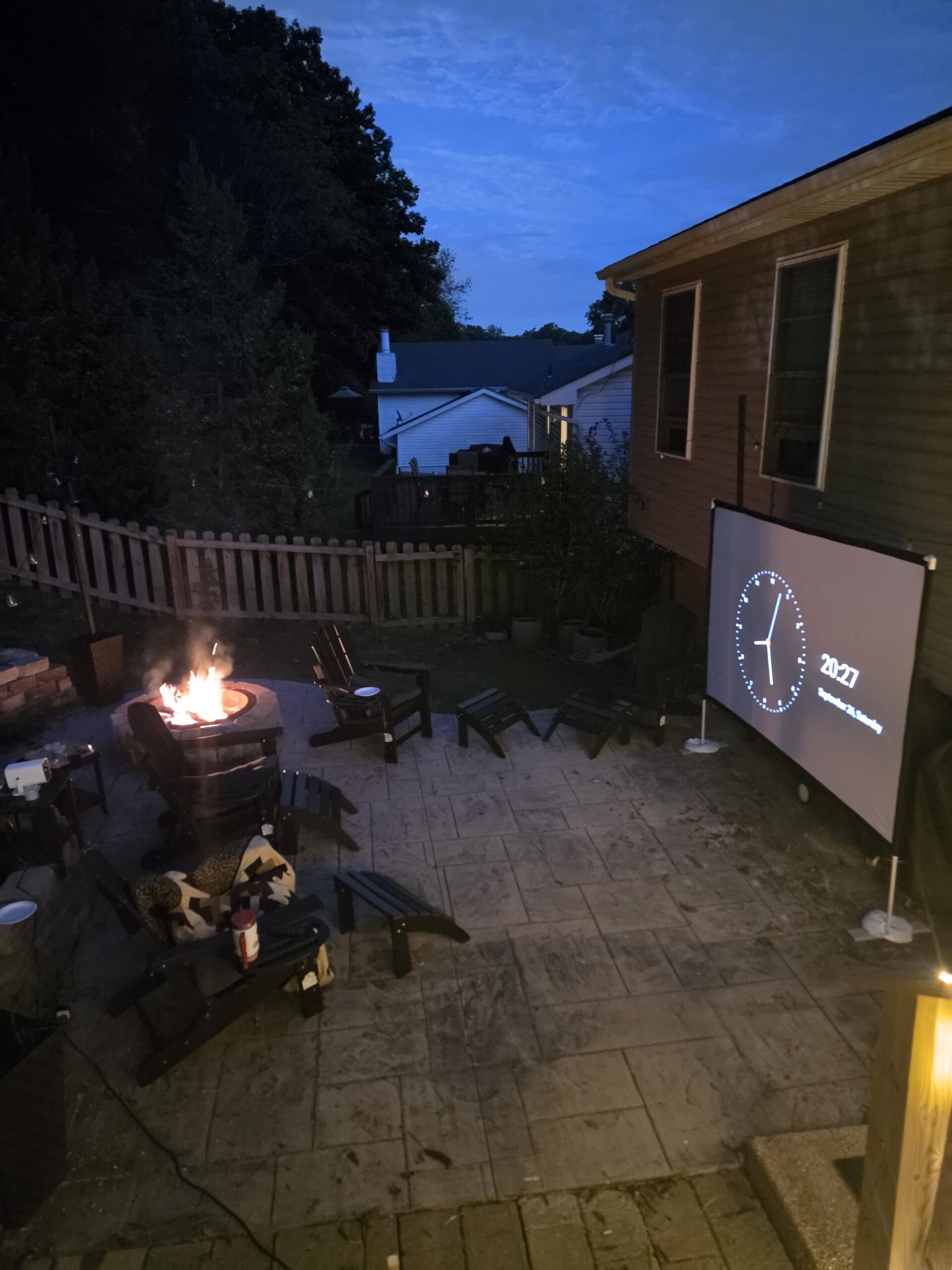
I also had brunch with a friend in September, read a book, watched some TV, and Tom, Sam, and I had a firepit movie night. Some of my time off went to nothing in particular, and I needed it to. That’s part of why days off exist, and it would be strange to count that time against the list.
Those things belong in the month too. So does dinner with someone you haven’t seen in a while, an afternoon outside because the weather is beautiful, or breakfast out with nowhere you need to be afterward. If every open hour gets assigned to a project, there’s no room for much of that.
So when a short list starts to feel like too much, look at the whole month before deciding you should have worked harder or managed your time better. There was probably far more happening there than the list showed.
The pattern is going out to testers, and the Framework edits are close. The garage wasn’t finished in September. It moved to October.
Keep Reading
If you’re deciding whether something deserves a spot as an active goal, How to Know If a Goal Is Worth Pursuing — and What It Will Cost You looks at the time, energy and tradeoffs that come with saying yes.
And if the best part of your month turned out to be the part you didn’t plan, Everyday Adventure Isn’t a Plane Ticket. Sometimes It’s a Tuesday. is about finding more of that in an ordinary week.
Every Friday morning: a short essay, one small thing to try this weekend, and The Reset Kit, eleven free tools for when you’re stuck. Join the Weekly Reset →