
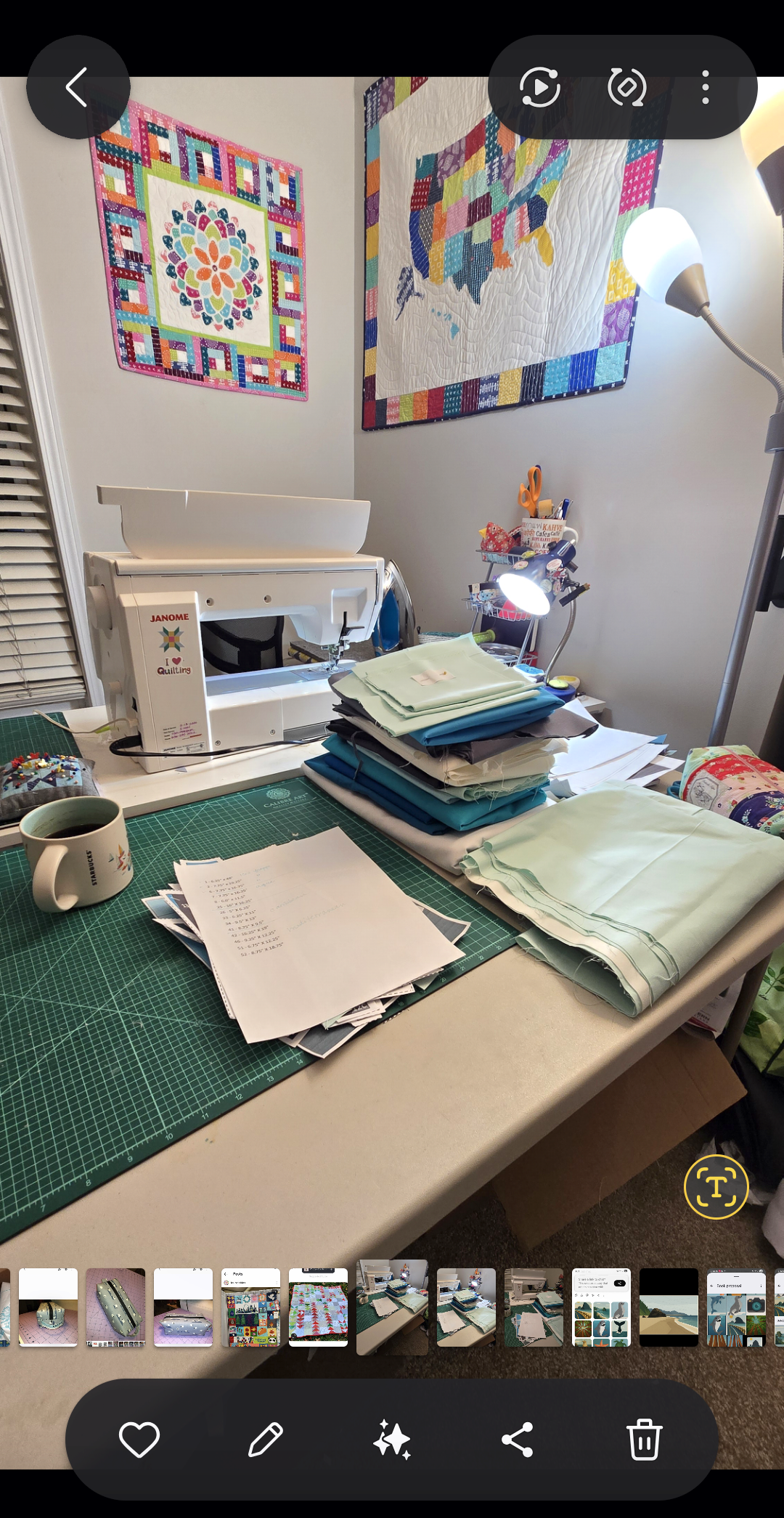
There is a point in preparing for something when more research stops changing what you would do next. You may have read about it, compared your options, asked around and watched enough videos that you already know what the first step would be. And you are still preparing.
Sometimes that makes sense, because some decisions deserve more information before you act. But plenty of times we keep researching because it feels productive, even though we already know enough to make the next decision. I’ve been thinking about where that line is.
I caught myself on the wrong side of it with Inkscape. Microsoft Publisher is being retired, and I’ve used it for years to make my quilt and pillow patterns. I needed another program, so I started looking at Inkscape and trying to figure out how everything worked before I started rebuilding anything.
I could have kept doing that for a long time. There are tutorials for everything, and plenty of things I still don’t know how to do. But eventually I just started rebuilding one of my patterns. That’s when I began figuring out what I needed to know: how to set up the page, work with layers, turn on snapping and make sure the pattern printed at the right size. Some things I thought I needed to understand ahead of time turned out not to matter yet.
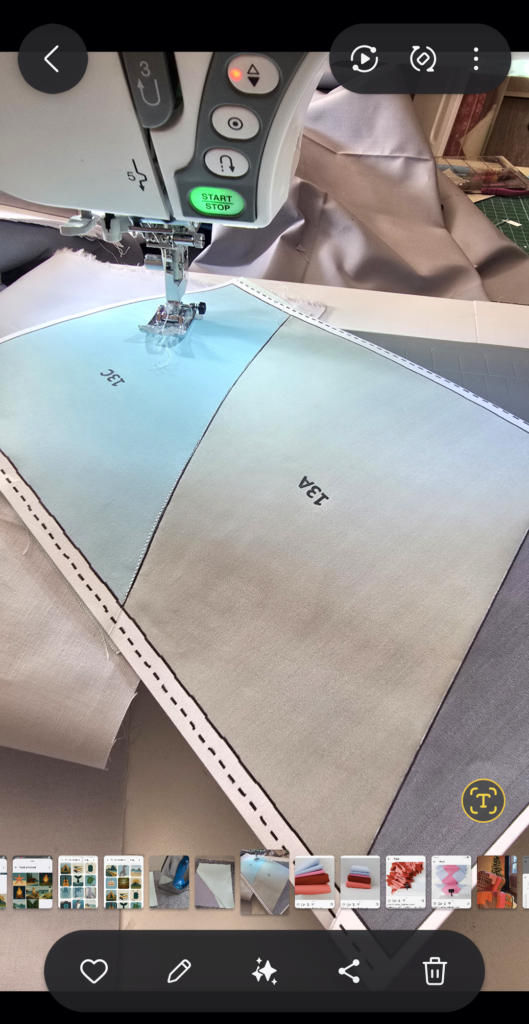
I still don’t know everything about Inkscape, and I look things up constantly. I’m just usually researching a much better question now, one that comes from the pattern in front of me.
What Do You Still Need to Know?
Preparation is useful when it answers something that could change your decision. If something is expensive, hard to reverse or carries real consequences, there may be important information you still need, and slowing down makes sense.
Smaller decisions rarely need that much certainty. It’s easy to keep reading reviews long after you’ve narrowed things down to two good options, or to keep planning a project after the first small version is clear enough to try. At that point, a more useful question is this one:
What information am I still missing that could change what I do next?
If you can name something important, go find it. If you can’t, more research probably isn’t giving you much.
I wrote earlier this year about what changed when I stopped waiting to feel ready. This is a little different. You can know what you want to do and still keep preparing because you want more certainty than the next step requires.
When Trying Tells You More
Research is good at helping you understand cost, requirements, options and what other people have experienced. But some things you can only learn by trying them. A class can look right on paper and still not fit you, and a project that seemed interesting can turn into something you don’t want to keep doing after you’ve given it a few Saturday mornings.
In those cases, a small test gives you information that another round of comparison can’t. That might mean going to one class or making a rough version of the idea before deciding whether it deserves more of your time.
There are also questions you won’t think to research ahead of time, because they don’t come up until you’re doing the thing. You figure some of them out as you go and look up the rest when you need to.
When More Preparation Is the Right Call
“Just start” isn’t good advice in every situation. Decisions involving real money, health, safety, legal consequences or something hard to undo deserve more care than a small experiment you can walk away from. The amount of preparation should fit the decision.
When you’ve done the research and still feel unsure, figure out whether there’s something you still need to know. If there’s a specific fact you don’t have, go get it. If what’s left is the ordinary uncertainty of doing something you haven’t done before, more reading won’t settle that.
Before You Keep Preparing
If there’s something you’ve been researching or planning for a while, ask what you’re still missing that could change the next step. If you can answer that, you know what to look for. If you can’t, a small, reasonable test will probably teach you more than another week of preparation.
Every Friday morning — one grounded perspective, one small action, and The Reset Kit (eleven tools to get unstuck, get moving, and make something happen this week). Join the Weekly Reset →