
Everyday adventure doesn’t require a passport, a vacation day, or a plan that takes longer than ten minutes to make. It took me years to understand that.
For a long time, I thought adventure lived somewhere else. On a vacation calendar. At an airport. In a place I wasn’t currently standing.
Most of us learn to think about it that way. Adventure is something you leave home to find. The problem with that framing is what it does to the weeks in between. They become a waiting room. You bide your time until the next trip. You spend fifty weeks living one way so you can feel alive for two.
But I don’t believe that anymore.
What I’ve come to believe instead is that adventure doesn’t have much to do with distance. It has more to do with doing something outside the usual routine.
It’s taking a different road home. Visiting the state park five minutes away that you’ve somehow stopped exploring. Saying yes to the day trip you’ve been talking about for months. Walking through a museum you’ve never visited. Trying the restaurant you’ve been driving past for years. Spending a Saturday differently than you usually would.
The biggest shift in our lives wasn’t traveling more.
It was realizing that a meaningful life can’t depend on a handful of trips scattered across the calendar. It has to exist on ordinary Tuesdays too.
What Changed for Us
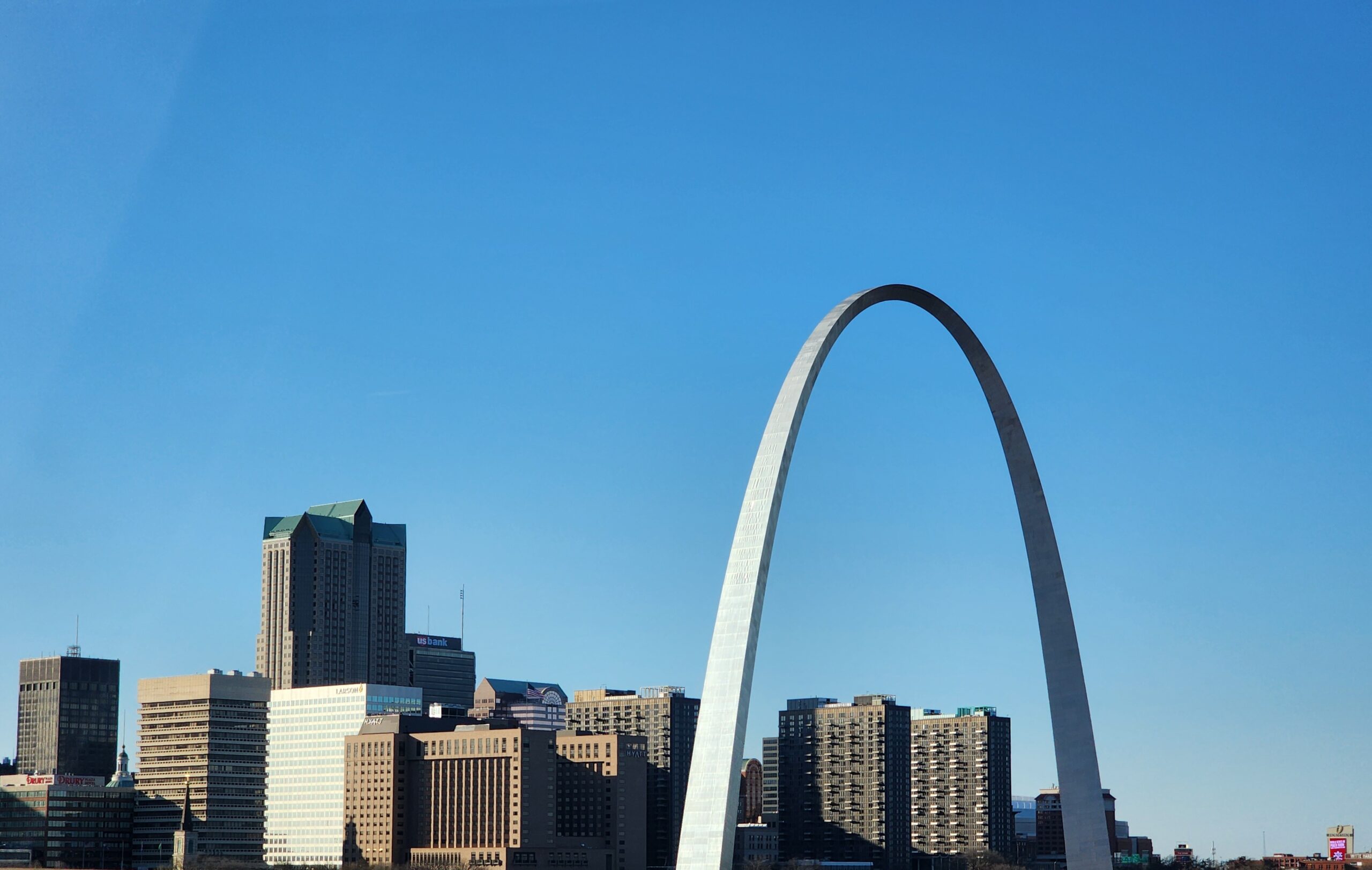
We have Castlewood State Park five minutes from our house now. We have Forest Park, the art museum, the zoo, Powder Valley, Laumeier Sculpture Park, small towns within an hour’s drive, local festivals, restaurants we’ve never tried, bookstores we haven’t browsed, and roads we’ve never bothered to take. For years, I hadn’t even been to the Arch — which is a slightly ridiculous thing to admit when you live in St. Louis.
Most of it was there the entire time.
The problem wasn’t access. It was that somewhere along the way we started treating adventure like a future event instead of a present possibility. It was easier to stay home.
Life got full. Kids. Work. Tom’s hip surgeries. School. Clinicals. Responsibilities. Moving. The normal things that slowly become the structure of your life. And for a while, it made sense to postpone things. Then one day you realize you’ve been postponing them for years, waiting for life to slow down, for the schedule to clear, for a season when things wouldn’t feel quite so busy.
When we started paying attention again, nothing dramatic happened. We didn’t sell everything and travel the country. We didn’t start taking extravagant vacations. We started saying yes more often, and the texture of our weeks began to change.
A day trip. A new trail. An afternoon at the art museum. A small-town main street we’d never explored. A local event we’d normally skip. A restaurant we’d been meaning to try. One night we made a simple dinner we don’t normally bother with and ate it outside on the deck, twinkle lights overhead, low music playing — it felt like we were somewhere else entirely, and we were fifteen feet from the kitchen. None of those things changed our lives overnight. But together they changed how life felt.
Why Small Adventures Matter
Routine has a way of making time blur together.
Think about the last month. You probably don’t remember every ordinary Tuesday. But you probably remember the afternoon you went somewhere new, tried something you’d never done, or finally went to the place you’d been talking about visiting.
That’s why a simple day trip can feel larger than an entire month spent moving between work, errands, television, and obligations. The experience interrupts autopilot. You remember those days differently. They stand out and make a mark.
Try This This Week
Look at the next seven days.
What’s one thing you could do that would make this week feel a little less like every other week?
It doesn’t have to be impressive. Go somewhere you haven’t been. Try the restaurant. Take a different trail. Visit the museum. Drive to the town you’ve passed a hundred times. Find something happening nearby and go.
Pick one thing. Decide when you’re doing it. Put it on the calendar.
That’s everyday adventure.
If you have a running list of places you want to go and things you keep saying you’d like to do, the Everyday Adventure Planner was built for exactly that. It helps you get those ideas out of “someday,” choose what you actually want to do, and start putting them into real weeks.
Explore the Everyday Adventure Planner →
Every Friday, I send one observation that didn’t make it onto the blog. If you’d like to be part of that conversation, I’d love to have you. Free. Subscribe →