
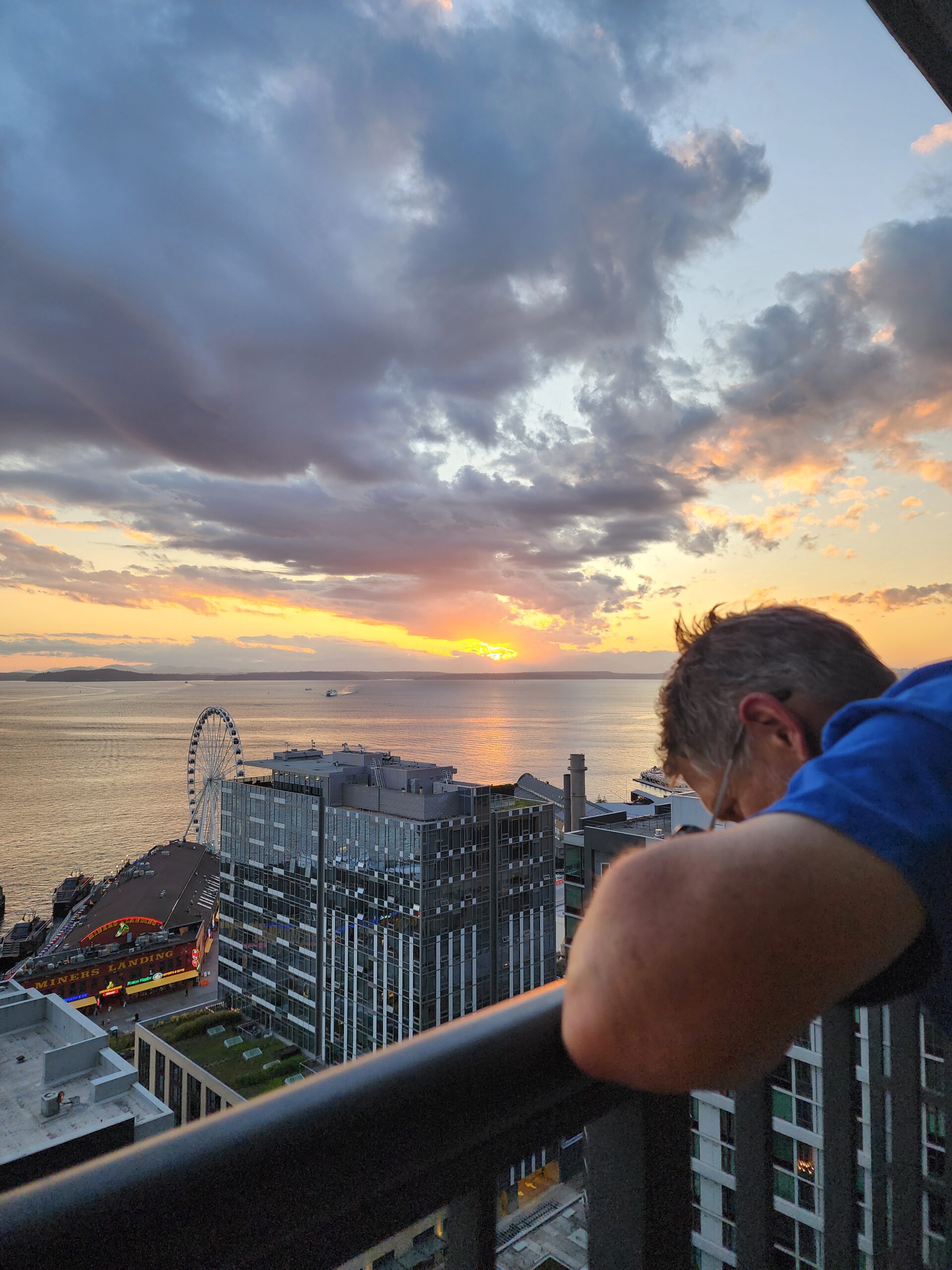
Tom and I don’t travel to relax.
At least not usually.
We like seeing things. If we’ve gone somewhere we’ve never been, we want to walk around, take the tour, visit the museum, find the weird local thing, and see as much as we reasonably can while we’re there.
Other people would hate traveling that way.
And that’s kind of the point.
There isn’t one right way to travel. The problem starts when you plan the trip you’re supposed to want instead of the one you’ll actually enjoy.
Maybe your perfect vacation really is a resort where you spend four days reading beside the pool. Maybe you want to get up at 7:00 every morning and cover twelve miles on foot. Maybe you want one thing planned each day and the rest completely open.
The better question isn’t what should we do while we’re there.
It’s what kind of trip do we actually want this to be.
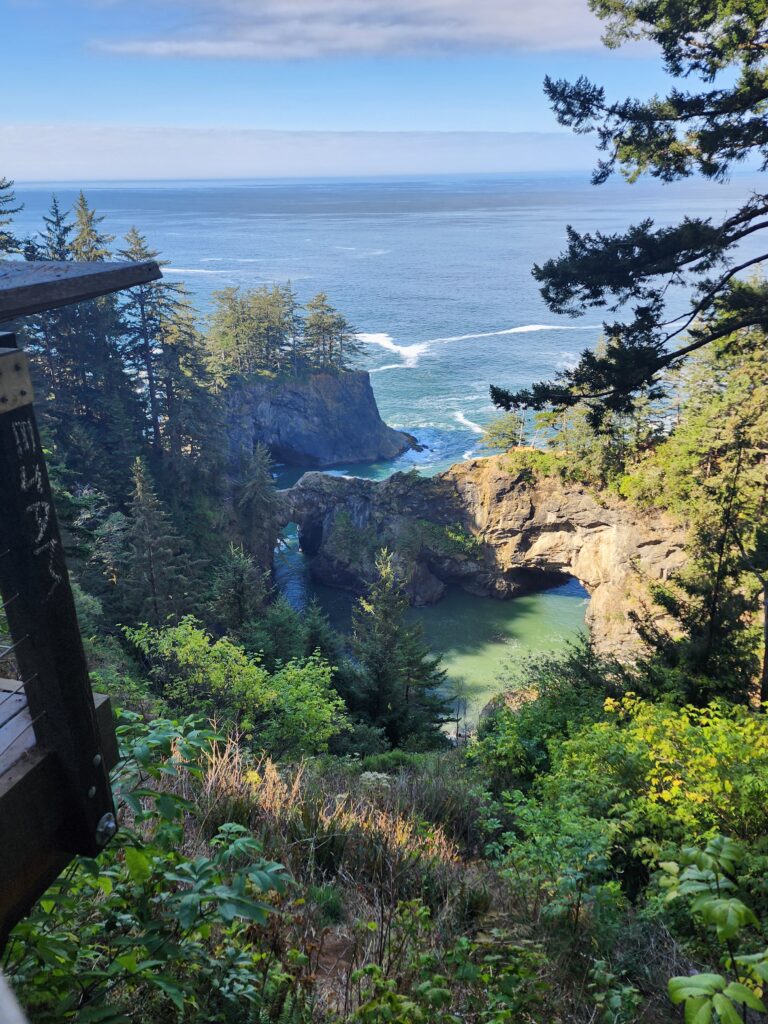
Decide What Kind of Trip You’re Taking Before You Build the Itinerary
Is this trip primarily for rest? Exploring? Time together? Food? Outdoors? History? Seeing one specific thing? Trying something new?
You can have more than one, obviously. But something usually matters most.
Our trip to Chicago is a good example. We went for a Rush concert, but we also chose the architecture tour, the Shedd Aquarium, Millennium Park, and the Riverwalk. We weren’t trying to manufacture a slow, immersive travel experience. We wanted to use the time we had there.
Knowing why you’re going before you start filling in the calendar changes everything you plan next.
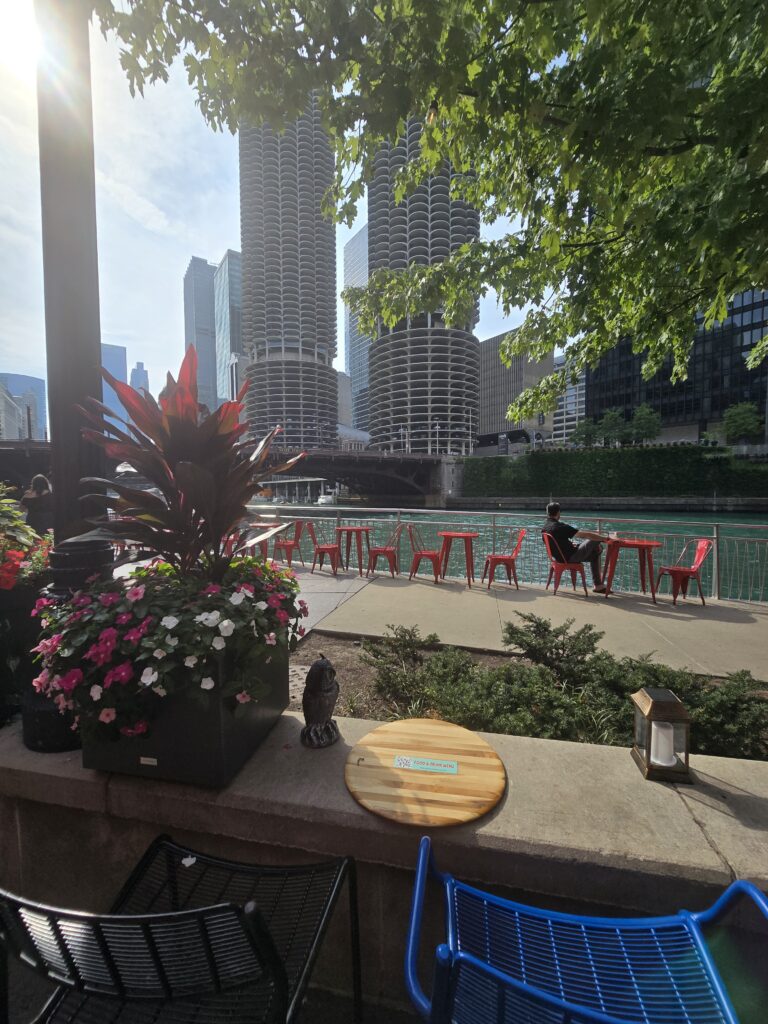
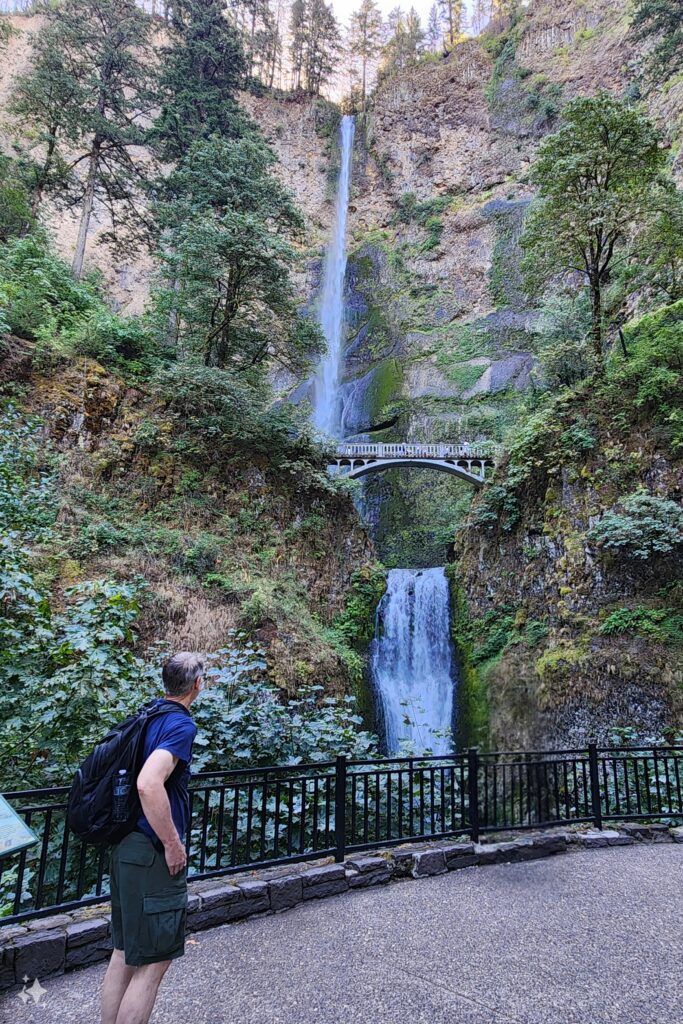
Figure Out Your Actual Travel Pace
Think about the last trip you really enjoyed.
Did you like having somewhere to go every morning? Did you resent having reservations every few hours? Were you happy walking all day, or did you need an afternoon back at the hotel? Did you love driving between places, or did you hate losing vacation time in the car? Did you enjoy changing hotels, or did you wish you’d stayed put?
Those answers tell you how you actually travel, not how a travel blog thinks you should.
Don’t build an itinerary for vacation-you. Build it for actual-you. If you hate getting up at 6:00 at home, don’t schedule five consecutive 7:00 a.m. vacation mornings because some article says that’s the best time to beat the crowds.

Pick the Things You’d Actually Be Disappointed to Miss
Before filling every day, choose maybe one to three things you’d genuinely be disappointed not to do.
Those become anchors. Everything else fits around them.
You don’t have to see everything a destination has to offer. It’s also what keeps you from spending thousands of dollars getting somewhere and then rushing between things nobody particularly cared about in the first place.
Leave Some Room — But Not Because Slow Travel Is Superior
We plan quite a bit when we travel. We also leave holes.
Not because an empty itinerary is inherently better, but because we almost always find something once we’re there that we didn’t know about when we planned the trip. And sometimes we’re simply tired.
An open couple of hours gives you somewhere to put either one.

Plan Around the Friction
What tends to make trips annoying for you specifically? Connections? Driving? Parking? Changing hotels? Long lines? Too much walking? Early mornings? Finding food? Crowds? Packing and unpacking?
Spend your planning effort — and your money, if it comes to that — wherever it removes your biggest friction. A direct flight instead of a cheaper connection. One hotel instead of three. Paying for parking near the thing you came to see instead of spending an hour trying to save $20.
Don’t pretend the friction isn’t there. Design around it.
Before You Book Everything, Answer These
Why this trip? What are we most excited about?
Must do: What would we genuinely regret missing?
Pace: How much do we actually like doing in one day?
Friction: What usually makes travel stressful for us?
Room: Where are we deliberately leaving space?
One extra: What’s something we’d normally skip that might make this trip memorable? This is the place for the tour that sounds a little expensive, the weird roadside stop, the restaurant you wouldn’t normally book, or whatever makes this particular trip different from being at home.
Go
A good trip doesn’t have to look relaxed from the outside.
It doesn’t have to look adventurous either.
It doesn’t have to be international, expensive, packed with activities, or completely unscheduled.
It just has to feel like a trip you wanted to take.
Figure out what matters about this one. Plan around that. Leave enough room for real life to happen once you get there.
Then go.
Every Friday, one thing we noticed, tried, or figured out — plus one small way to approach the week differently.