
For a long time, I treated actual living like something scheduled for later.
Later when the schedule eased up. Later when there was more room. Later when the kids were settled and the mortgage smaller and life became slightly less demanding than it currently was.
Then Tom had both hips replaced in 2020, and we started walking almost every day.
Nothing about those walks was remarkable. Just movement, and consistency, and enough quiet that I could actually hear myself think again. But something specific happened inside that rhythm that I hadn’t expected: the days I moved felt more inhabited than the days I didn’t.
That observation changed more for me than any motivational idea ever did.
The Body Is Where Drift Shows Up First
Before you consciously register that life has gotten automatic, your body usually already knows.
The shoulders that stay up near your ears for days at a time. The specific tiredness that isn’t really about sleep. The restless, low-grade feeling you can’t quite locate — the one that sends you toward the phone before you’ve even thought about it.
That’s not a personal failing. That’s drift. And the body registers it before the mind does.
I’ve come to think of physical capacity not as a separate category from being present in your days — something to address over in the health column while the real stuff happens elsewhere — but as the actual foundation it runs on. The body is the instrument. How present it feels shapes the size of your life.
This is one of the reasons starting the Framework this spring felt different from other attempts at intentional living. Instead of treating movement as a separate goal, we treated it as part of the same system. Capacity isn’t a bonus. It’s the infrastructure.
What This Actually Requires
It doesn’t require transformation. That’s the first thing worth saying.
You don’t need to be in the best shape of your life. You don’t need a specific weight or a specific fitness level or a body that performs on demand. What you need is a body that has enough in it — enough energy, enough ease, enough physical presence — to actually show up for the days you’re trying to build.
That’s a more real standard. And a more achievable one.
What I’ve found, both personally and watching Tom rebuild after two surgeries, is that the starting point matters far less than most people assume. What matters is direction and repetition — two small steps, kept — rather than the comprehensive overhaul that burns bright for three weeks and then disappears.
You don’t need better goals. You need a direction. That’s as true for the body as for anything else.
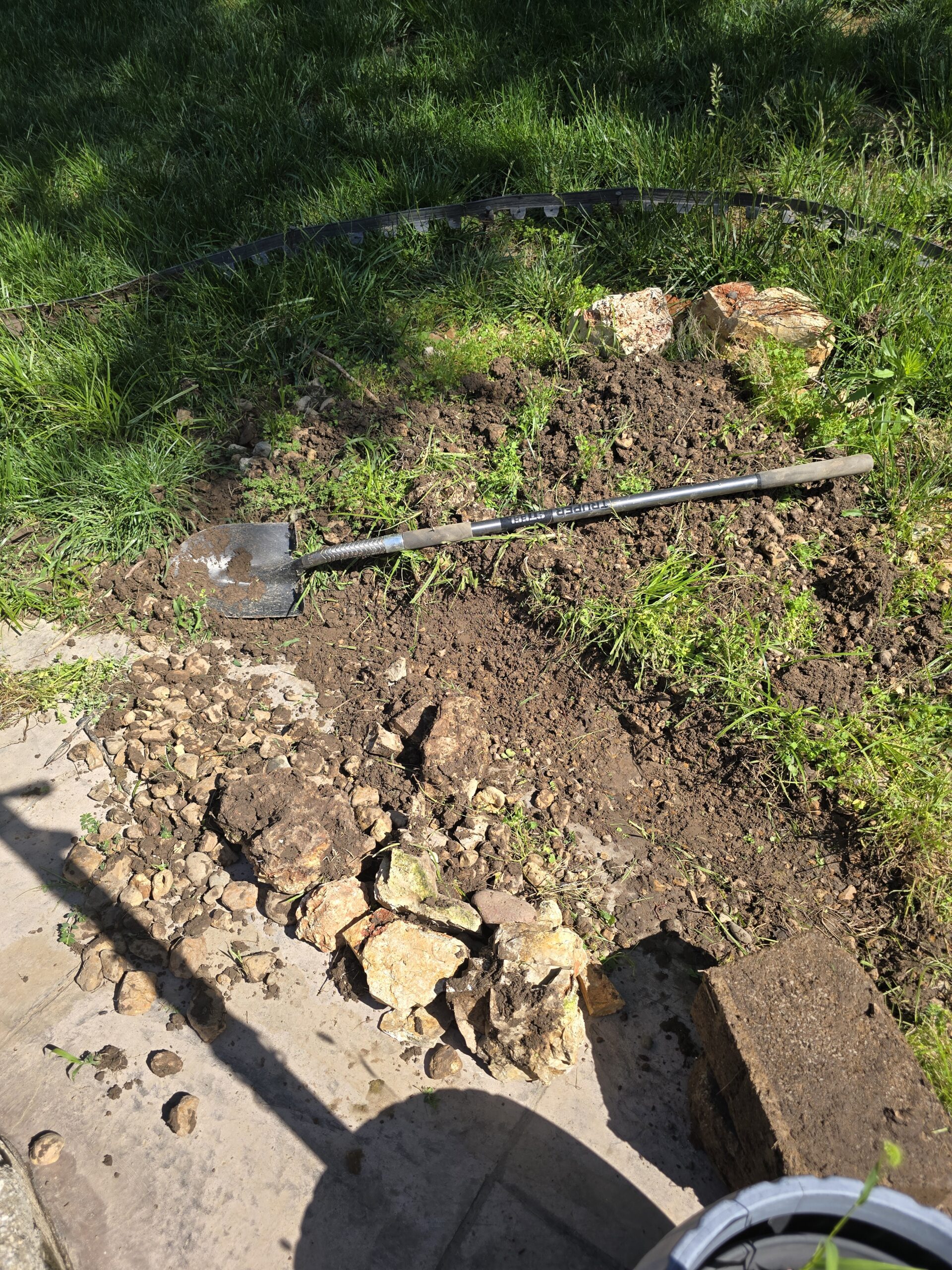
I’ll tell you where I actually am this week: tired from a run of busy shifts, a little beat up from overdoing it in the yard, and still trying to catch up on sleep. The consistency I’m writing about here isn’t something I have figured out. It’s something I’m building inside the same constraints you probably have — a schedule that doesn’t always cooperate, a body that registers the week before the mind does, and the ongoing work of returning when things drift.
Which they do. Regularly.
What This Looks Like in Practice
These aren’t a program. They’re a direction. Pick the one that fits the week you actually have — not the ideal version of it.
Move once before the day gets loud. Twenty minutes before the noise starts does something specific to the rest of the day that the same twenty minutes at 7pm doesn’t replicate. A workout, a walk, an hour in the yard — something that starts the day as a participant rather than a passenger.
Notice what your body does when you’re drifting. Most people have a physical tell — the way restlessness arrives in the body before it becomes conscious. Tight chest. The reach for the phone before a thought. Name it. That awareness is more useful than any prescription.
Eat one meal this week with actual attention. Not according to a protocol. Just present for it — tasting it, noticing it, not multitasking through it. Physical presence at a small scale is more connected to the larger project than it usually gets credit for.
Do one physical thing slightly outside the default. A different route. A new trail. The project in the yard that keeps getting deferred. Novelty in the body wakes something up that routine quietly puts to sleep.
Rest on purpose, not by collapse. There’s a difference between recovery that restores something and numbing that just passes time. One of them you wake up from feeling more like yourself. Know which one you’re doing.
The Part Most People Skip
Getting back into your days doesn’t start with the big decisions. It starts with the body saying yes to the day.
Not the day you’re planning for eventually. This one — the one with the real schedule, the real constraints, the energy level already partially spent by noon.
That’s the whole argument behind Stop Waiting — the life available to you isn’t a future version. It’s this one, engaged more deliberately. And the body is where that becomes real or stays abstract.
The small decisions from the past few weeks — the different route, the morning in the yard, the meal that was actually tasted — weren’t productivity moves. They were the body choosing to be present rather than automatic. They were what inhabited days are actually made of.
Pick one thing from the list above and do it this week. Not because it will change everything. Because the days that feel like yours are usually built from exactly that: one small, physical, chosen thing — repeated until it becomes the direction.
That’s where it starts. That’s always where it starts.
The Friday newsletter is one real note from inside the practice — what’s working, what’s hard, and one thing worth trying. Subscribe here.