
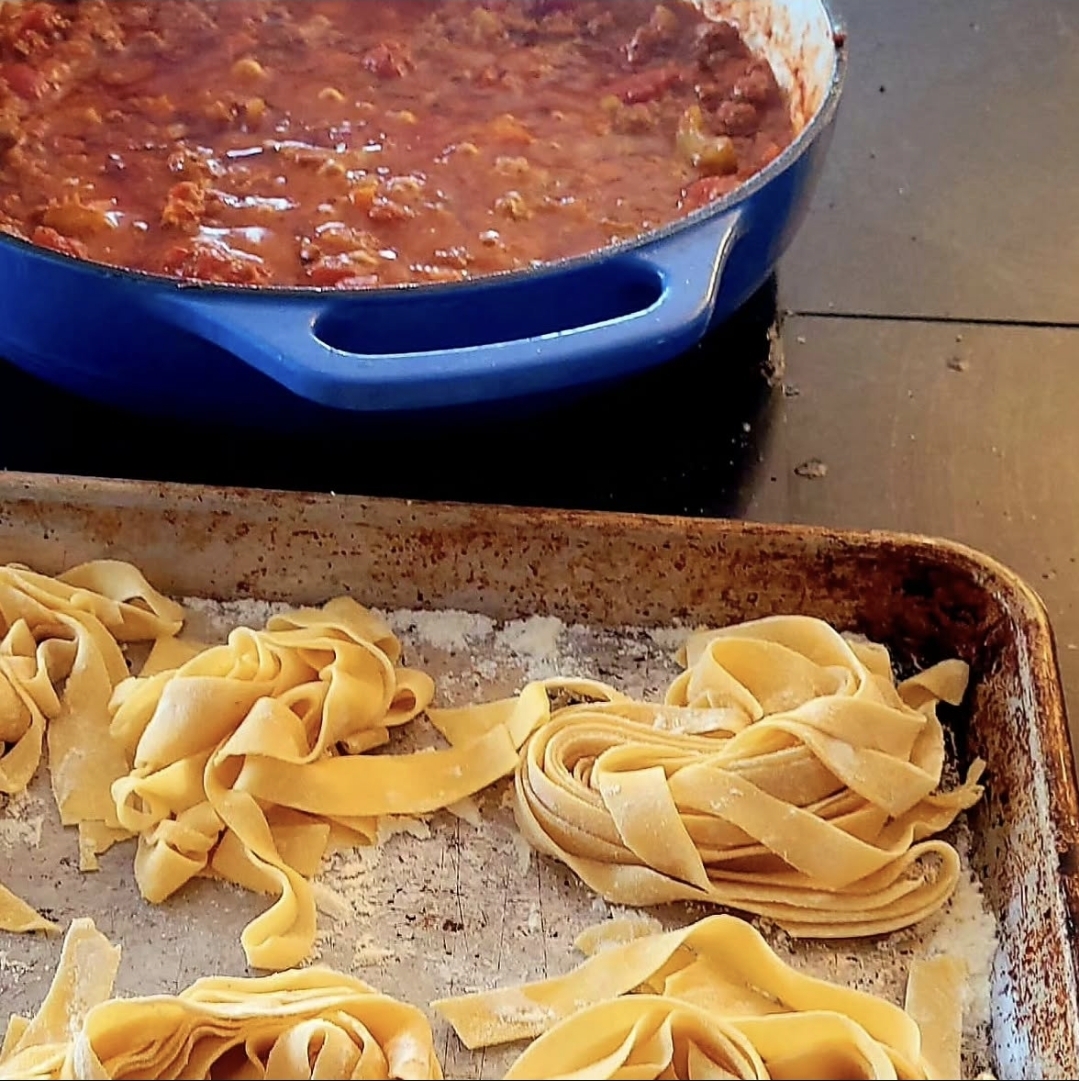
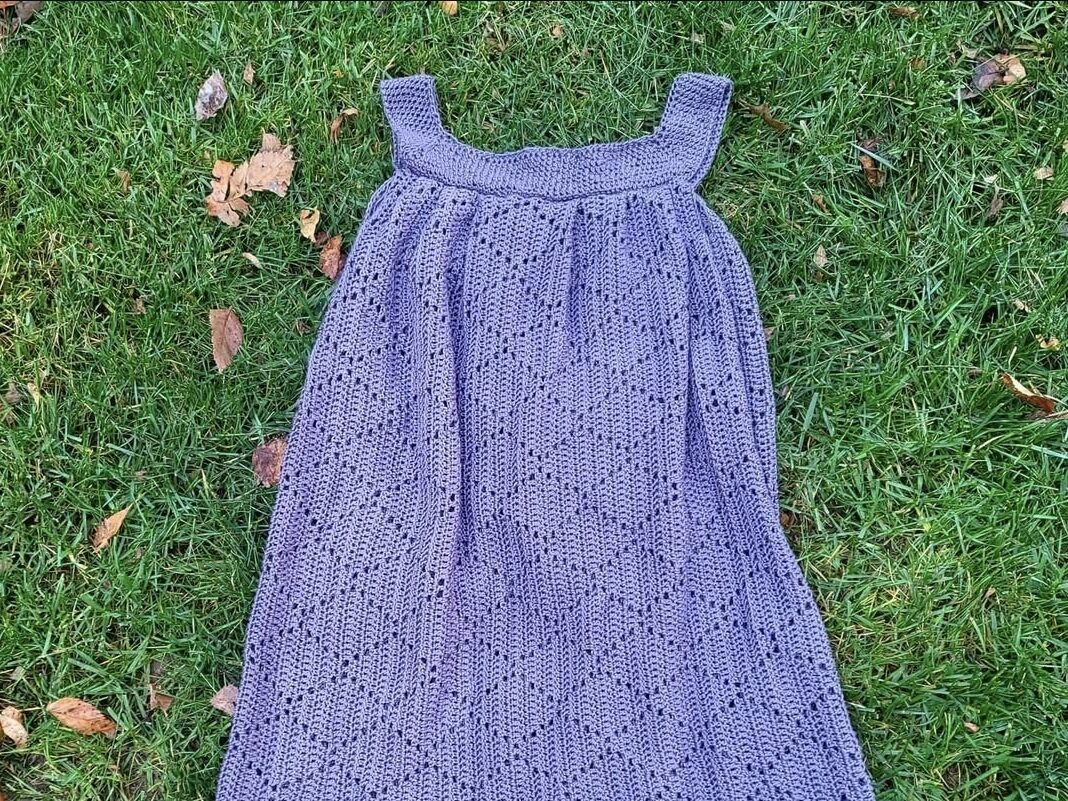
For most of my life, I’ve been making something. I’ve quilted and crocheted, sewn bags and made ornaments, and gotten deep into cake baking during the long stretch of COVID. I’ve doodled, knitted, canned food, baked bread, learned photography, experimented with homemade pasta, and spent an unreasonable amount of time figuring things out in the backyard.
More recently, I’ve been learning Spanish, gardening, and occasionally disappearing down an anatomy or physiology rabbit hole — becoming a radiologic technologist apparently gave me a whole new category of things to be curious about.
I don’t think of any of that as a list of hobbies anymore. They’re different ways I’ve stayed interested in my own life. And I’ve noticed something: when I spend all my free time consuming — scrolling, watching, reading about what everyone else is doing — I feel different than I do when some part of that time goes toward making, learning, or figuring something out myself.
It doesn’t have to be productive. It doesn’t have to become a business. Nobody has to see it. Sometimes ten minutes is enough.
1. Make Something Small
This might be the easiest place to start, because the stakes are almost nonexistent. Give yourself ten minutes and make something — write one page, sketch whatever’s on your desk, take three photographs outside, doodle while you drink your coffee, or pick up the knitting you’ve ignored for six months.
I’ve done this after long workdays when I didn’t have the energy for anything ambitious. Ten minutes with a journal or a camera wasn’t going to produce anything important, and that was never the point. It changed what I was doing with that small piece of my day — instead of only consuming something someone else had made, I was making something myself. That’s a small distinction, but it’s one that adds up, and ten minutes is short enough that it’s hard to argue you need the perfect circumstances first.
2. Pay Attention to Something You Usually Walk Past
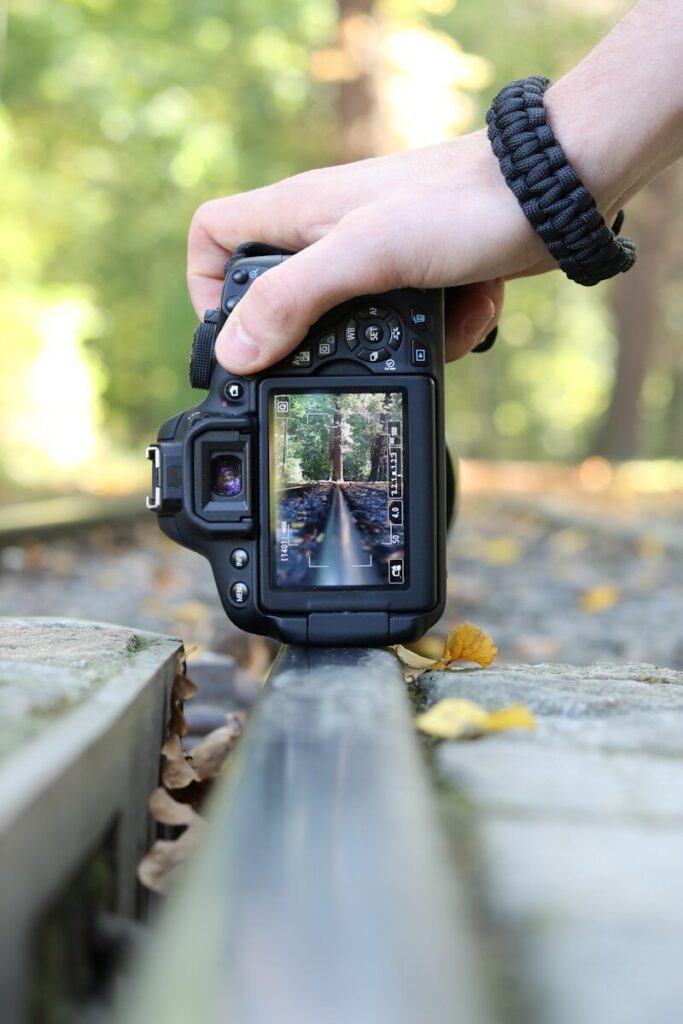
Photography has probably changed the way I notice ordinary things more than any other creative practice I’ve picked up. You don’t need an actual camera for this — your phone works fine. Take it on a walk and give yourself something to look for: three interesting textures, one strange shadow, a color that keeps showing up, something growing through a crack in the sidewalk, the way evening light hits a building you’ve passed a hundred times without really seeing it.
Since we’ve been working on our yard, I’ve found myself doing this constantly — noticing what’s blooming, where the light falls, what’s changed since last week, which corner suddenly looks completely different because one plant grew six inches. The photographs themselves aren’t always particularly good. But looking for them is what makes me pay attention, and that part is useful even on the days I never actually take the picture.
3. Play With Something You Already Do
Creativity doesn’t require adding another activity to your life. Cooking counts. So does gardening, rearranging a room, figuring out a better way to organize something, trying a different workout, or making up a marinade because you don’t feel like going to the store.
There have been entire stretches where the kitchen was where most of my creative energy went — cakes during COVID, bread and pasta at other times, or trying to recreate something we ate on a trip. Sometimes it works. Sometimes dinner teaches you exactly what not to do next time. Either way, you’ve engaged with something instead of just letting the day carry you along wherever it was already going. That counts too.

4. Learn Something You Don’t Already Know
I used to think of learning and creativity as two separate things. I don’t anymore, and going back to school in my 50s is a lot of what changed that.
I was learning anatomy, physiology, positioning, and radiation physics because I needed all of it for a completely new career — there was an obvious practical reason behind the studying. But there was something else happening alongside that too, plain interest, not just the requirement. That same feeling has shown up again in unexpected places since: learning Spanish, figuring out photography, researching plants for our yard when my gardening background up to that point had mostly been tomatoes, jalapeños, and a few pots of herbs.
You don’t have to get good at the thing. You just have to follow the question for a while — learn enough Spanish to order dinner, figure out what that bird in the backyard actually is, try watercolor once, read about something you’ve wondered about for years. Curiosity doesn’t need a five-year plan behind it. Sometimes it just needs somewhere to go.

5. Notice What Keeps Pulling You Back
This might be the part I missed for years. I’d move from one interest to the next and think I was abandoning things — quilting, then crochet, then baking, then photography, then writing, then gardening, then Spanish.
Looking back, though, I don’t think the specific activity was ever really the point. I like learning how things work. I like making things with my hands. I like figuring things out and noticing details, and starting with something I don’t know how to do and slowly getting more capable at it. The activities keep changing, but the thing underneath them doesn’t.
So instead of asking which hobby you’re supposed to commit to forever, pay attention to what keeps catching your attention — what you’ve looked up three times but never tried, what you stop to watch someone else doing, what you loved doing ten years ago and somehow let go of, what you’ve been telling yourself you’ll get around to someday. Pick one of those and give it ten minutes. You don’t need to reorganize your life around it yet.

You Don’t Have to Be a Creative Person
I think this is where people get stuck. We hear the word creativity and picture an artist, a writer, a musician — someone who can make something beautiful from scratch. That’s much too narrow a definition. Making dinner differently counts. So does planting something, photographing your own neighborhood, writing badly in a notebook nobody will ever read, learning three chords, or taking something apart just to see how it works.
Creativity can simply be the difference between spending all your free time consuming what other people made and occasionally making, learning, or experimenting with something yourself. And sometimes the smallest version of that is enough to get you moving again — ten minutes, one page, one photograph, one recipe, one question you decide to actually follow. See where it goes.
Every Friday, I send one observation that didn’t make it onto the blog. If you’d like to be part of that conversation, I’d love to have you. Free. Subscribe →