

Four books this month, and I didn’t set out to pick a theme.
Somewhere around the third one, I realized they were all pushing against the same idea: that you’re supposed to know exactly where you’re going before you start.
I’ve spent enough of my life thinking I needed to figure things out first.
These four books make a pretty good case for doing it the other way around.
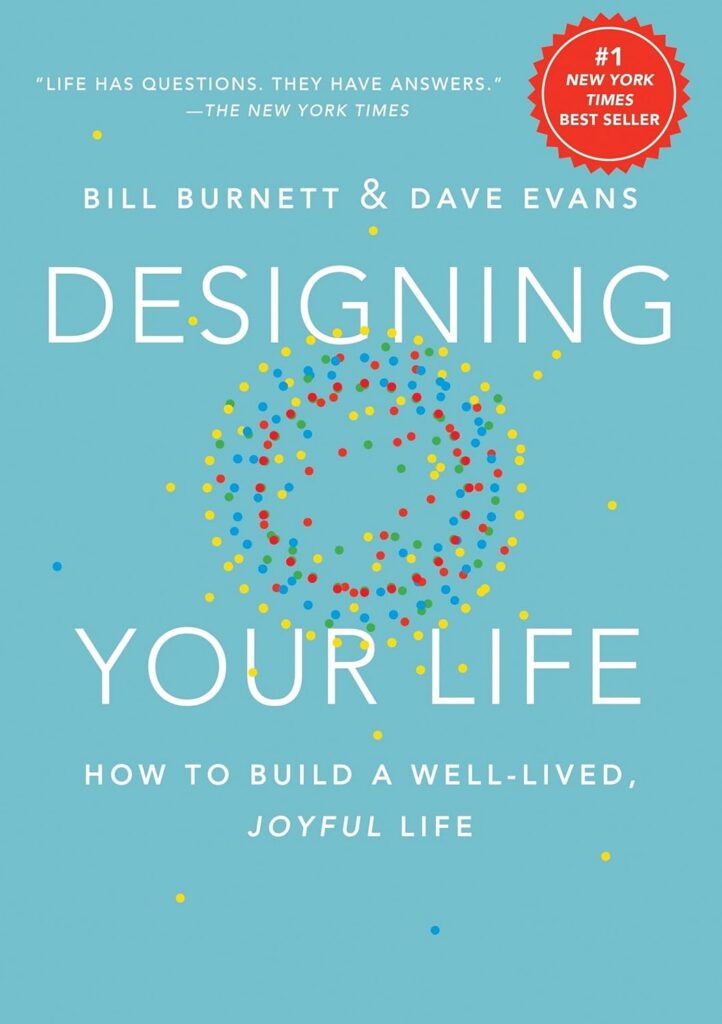
Designing Your Life — Bill Burnett & Dave Evans
I’ve been building a retaining wall, learning a new career, and testing a 90-day framework I designed myself, and none of it started with a finished plan. This book gave that approach a name.
One of the ideas that stuck with me was prototyping. Instead of sitting around trying to think your way into the perfect answer, you try something small and see what you learn.
That’s almost the opposite of how I used to approach big decisions. Figure everything out. Be reasonably certain it will work. Then start. Except certainty usually doesn’t show up first. Sometimes you have to do something before you know whether it fits.
Looking back, that’s exactly what happened when I went back to school. I couldn’t possibly know what being an X-ray tech would actually feel like until I was standing in a hospital doing the work.
You can research. You can plan. You can make lists. Eventually, though, you have to try something.
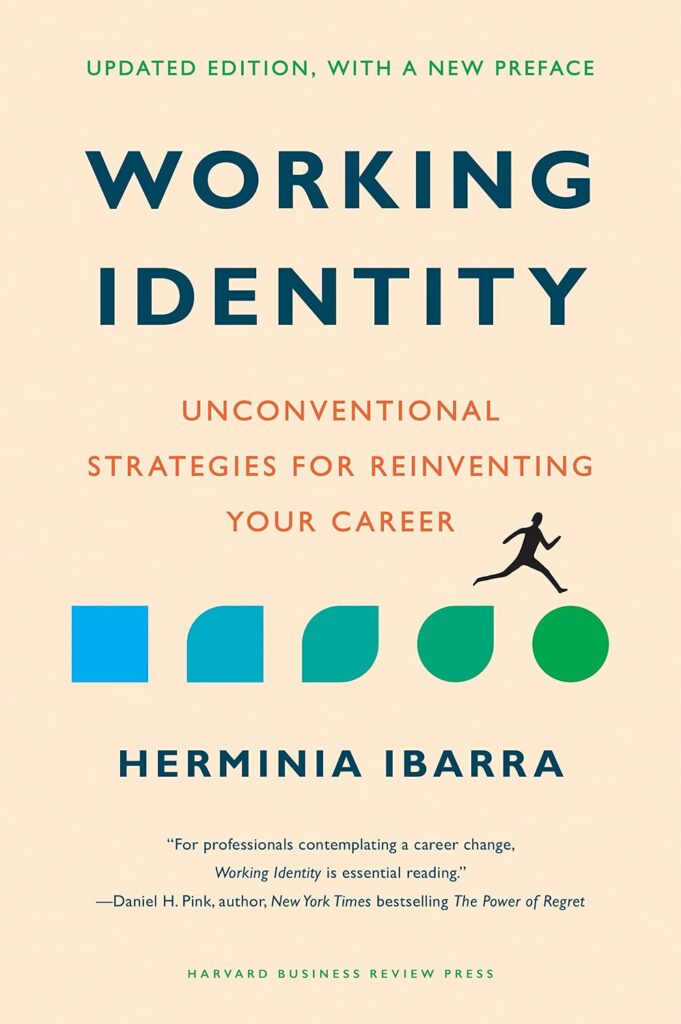
Working Identity — Herminia Ibarra
I went back to school at 54 already believing, somewhere underneath all the fear, that I needed to know who I was becoming before I could start becoming her. Turns out, that may be backward too.
Ibarra writes about career transitions and the way identity changes through action. We try things. We meet different people. We step into unfamiliar roles. We discover what feels like us and what doesn’t. Then, slowly, our idea of who we are changes. That made a lot of sense to me.
I didn’t wake up one morning suddenly feeling like a radiologic technologist. There wasn’t some magical point when my old identity disappeared and the new one arrived. I went to class. Then clinicals. Then I did my first X-ray. And my hundredth. And eventually I realized I wasn’t trying to become an X-ray tech anymore. I was one.
You don’t necessarily decide who you’re going to become and then go become that person. Sometimes you start doing the work and meet yourself somewhere along the way.
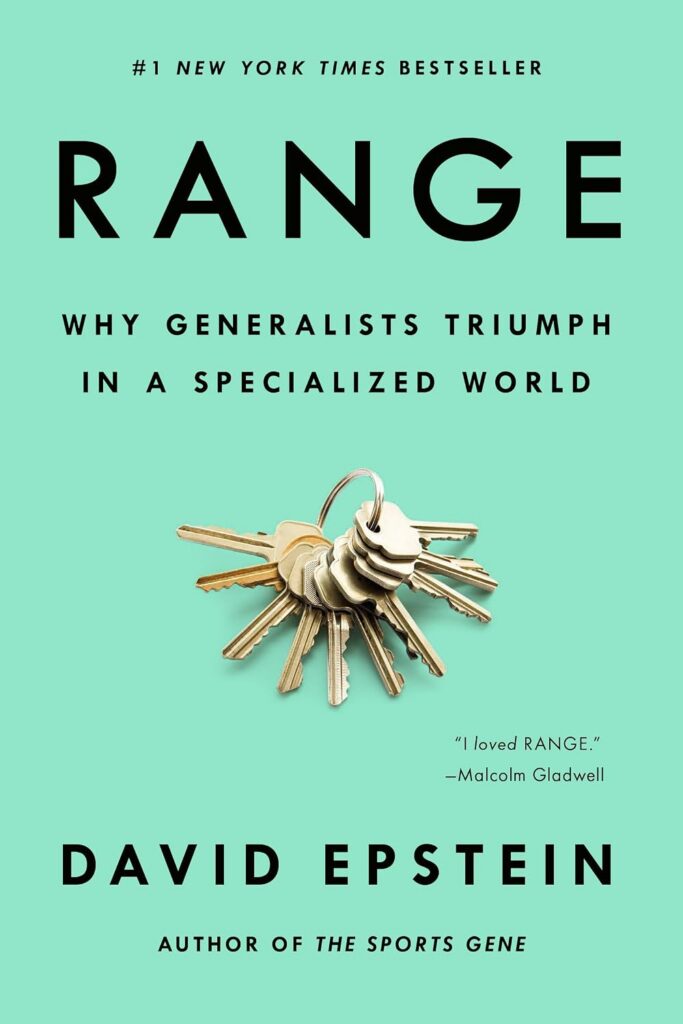
Range — David Epstein
This one hit me differently than I expected. It’s easy to look at a winding path and wonder whether you should have picked a lane sooner.
I’ve done bookkeeping. Government transcription. Went back to college in my 50s. Became an X-ray tech. Started writing. Built Handcrafted Adventure. None of that makes a particularly tidy résumé.
Range makes the case that a broad collection of experiences isn’t necessarily a disadvantage. The things you learn in one part of your life can become useful somewhere completely different later. I liked that.
We tend to tell life stories backward. Once we know where someone ended up, all the earlier pieces look like they were leading there. Living it doesn’t feel anything like that.
You make the best decision you can with what you know at the time. You learn things. You change direction. You carry some of what you learned with you. The winding part isn’t necessarily wasted time. It may be where you picked up the things you’ll need next.
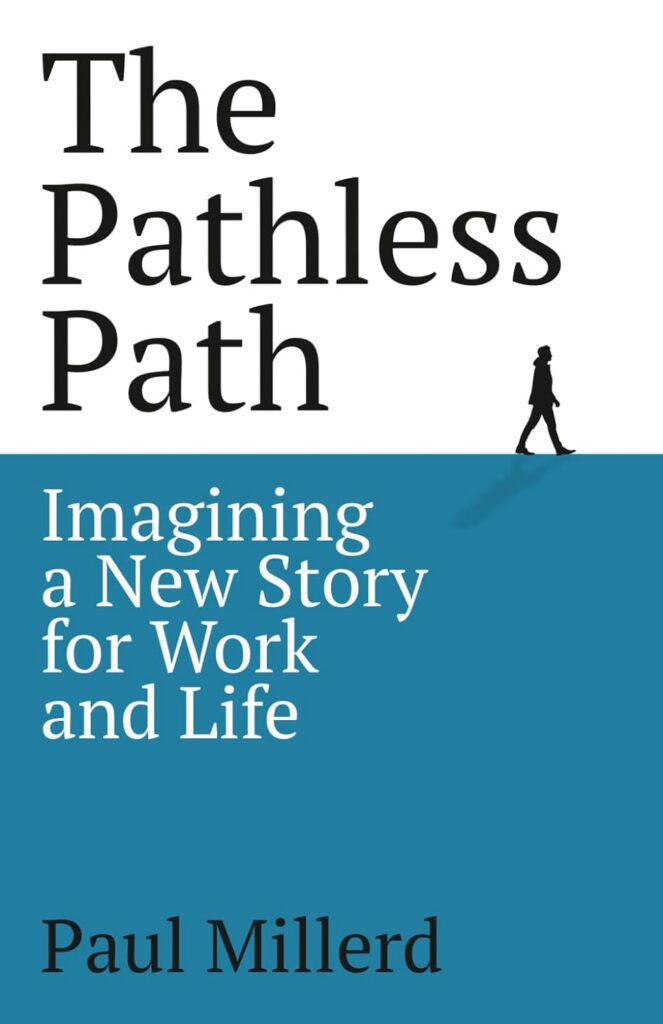
The Pathless Path — Paul Millerd
There have been several points in my life when the sensible next step was fairly obvious. I didn’t always take it.
Going back to school at 54 certainly wasn’t the obvious next step. Neither was starting Handcrafted Adventure. Even now, I don’t have some master plan that tells me exactly where all of this leads.
The Pathless Path is about what happens when you stop assuming there is one correct route you’re supposed to be following.
Millerd left a conventional career without replacing it with another equally tidy plan. What followed was much less certain, but it gave him room to reconsider what he actually wanted his work and life to look like.
What I liked about this book wasn’t the idea that everyone should quit their job or abandon conventional life. I don’t believe that. It was the permission to stop treating uncertainty as proof that you’re doing something wrong.
Sometimes you make a decision because it’s the next thing you want to try. Then you see where it takes you.
If You Only Read One
Start with Designing Your Life.
It’s practical, and the idea of testing possibilities instead of waiting until you’ve figured everything out is useful whether you’re considering a career change, starting a project, planning what comes next, or just trying to change something that isn’t working anymore.
If you’re specifically in the middle of a career or identity shift, I’d pick Working Identity.
But the four books work surprisingly well together.
Designing Your Life says you can test possibilities.
Working Identity says you discover who you’re becoming partly by doing.
Range says the winding road may turn out to be useful.
And The Pathless Path asks whether there needed to be one prescribed road in the first place.
July’s books left me thinking about how much time we spend waiting to do things.
August’s made me think maybe knowing what happens next isn’t always a prerequisite for starting.
Sometimes you find out because you started.
The Weekly Reset lands every Friday — one observation from real life, one field note from what we’re building, and one small reset for the weekend.
Free. Every Friday. Unsubscribe any time.