
The first trauma I was called into, I was afraid.
I wasn’t afraid I’d fail. I’d simply never been in a room like that before.
Fear doesn’t mean you can’t do it. I know that now. I didn’t know it then.
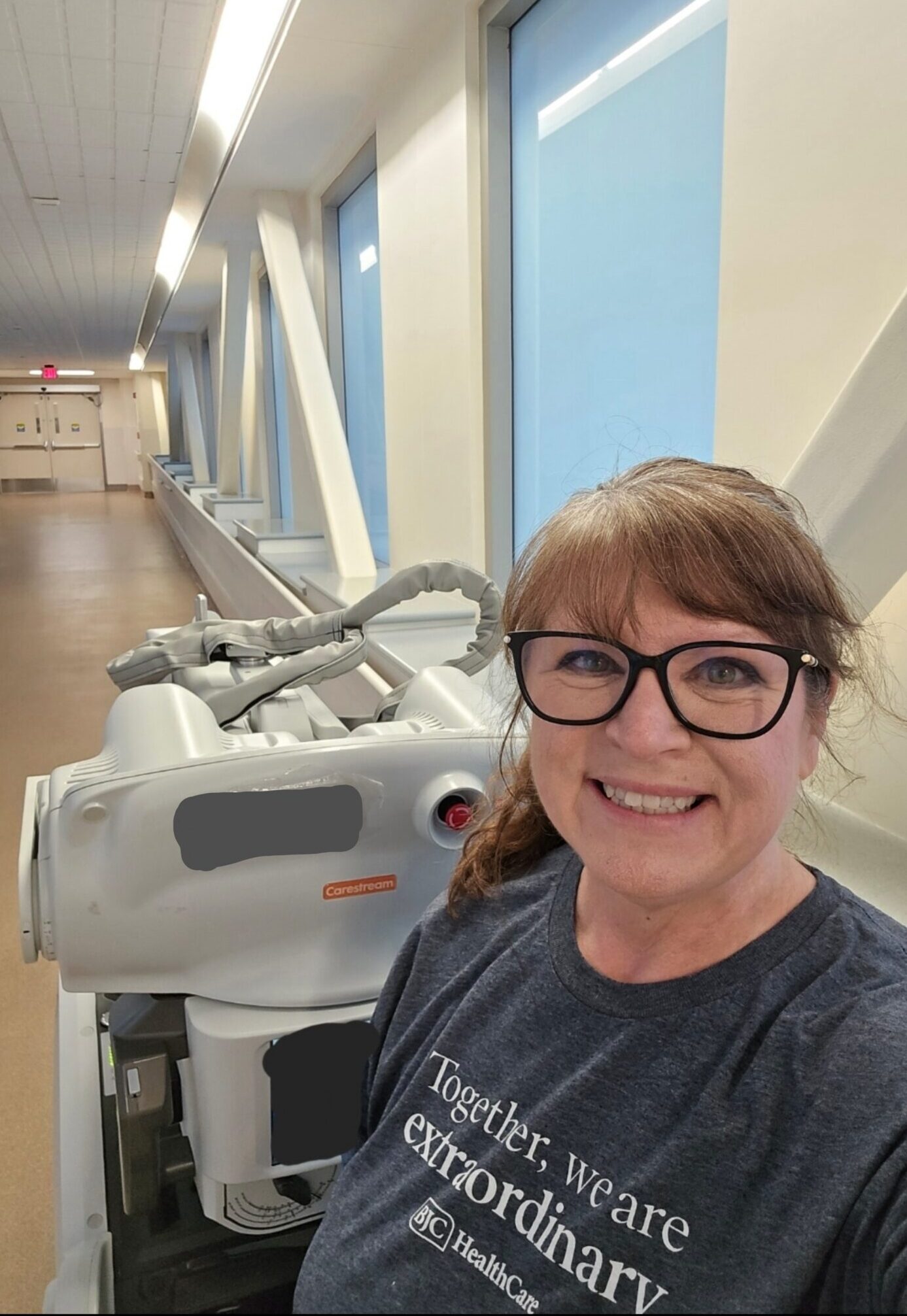
A man who had been shot, bullet lodged in his T-spine. When I got there, everyone already had a job to do. The room was fast and loud. My job was x-ray. They called out what they needed while they worked to stabilize him and assess for paralysis.
He couldn’t feel his legs. He knew it.
I had to stay calm, move efficiently, get the images.
My fear was real. The job was still the job.
The Second Time
Another trauma not long after. A young patient with multiple gunshot wounds.
Same controlled chaos. I had to get in there and get the images while everything else was happening around me.
It was still hard. I was still anxious. I don’t think that part goes away.
What was different was that I knew I could do it. I’d already been in a room like that and come out the other side.
The fear didn’t disappear with experience. The doubt did.

Since Then
They weren’t the hardest cases I’ve worked. I’ve thought about them because they changed how I understand fear.
Before I started this work, I treated fear like a warning. Evidence that I wasn’t ready, or that I needed more preparation before stepping into something hard.
I had it backwards.
Fear is usually just what unfamiliar feels like. It isn’t evidence you can’t do the thing. It’s usually just evidence that you haven’t done it yet — or haven’t done it enough times to trust yourself.
I went back to school at 54. I was afraid the whole time — afraid of failing, afraid of not being smart enough, afraid of looking foolish at an age when most people expect you to have figured things out.
Everything about it was unfamiliar, and unfamiliar has a way of feeling bigger than it really is.
I lacked experience. I didn’t lack capability.
The Part That Costs You
Most of the fear we deal with every day isn’t about danger. It’s about unfamiliarity. The fear of starting something new. Of not being good at it right away. Of stepping into a room you’ve never been in before.
The cost is letting the fear decide what you do.
Every time you decide not to make the call, not to apply, not to sign up, or not to start, fear gets another vote. Eventually your life starts fitting inside the things you’ve already proven you can do.
I’ve done it too. I can think of plenty of things I put off for years that turned out to be much easier than I imagined once I finally started. All that extra preparation wasn’t preparation.
It was avoidance with better branding.
What Experience Actually Does
The second trauma didn’t feel easy. The anxiety was still there.
What changed wasn’t the fear. The doubt was gone. I’d been in the room before. I knew what was required. I knew I could do it because I already had.
Experience doesn’t eliminate fear. It gives you evidence. You’ve been here before. You can do it again.
And the fear will show up. Looking back, none of the hard things I’ve done started after I stopped being afraid.
They started while I was still afraid.
The Fully Lived Framework is built around making decisions from clarity rather than from feeling. The beta opens September 2026. Get on the waitlist here.