
I’ve stayed with things longer than I should have simply because I’d already put so much time into them.
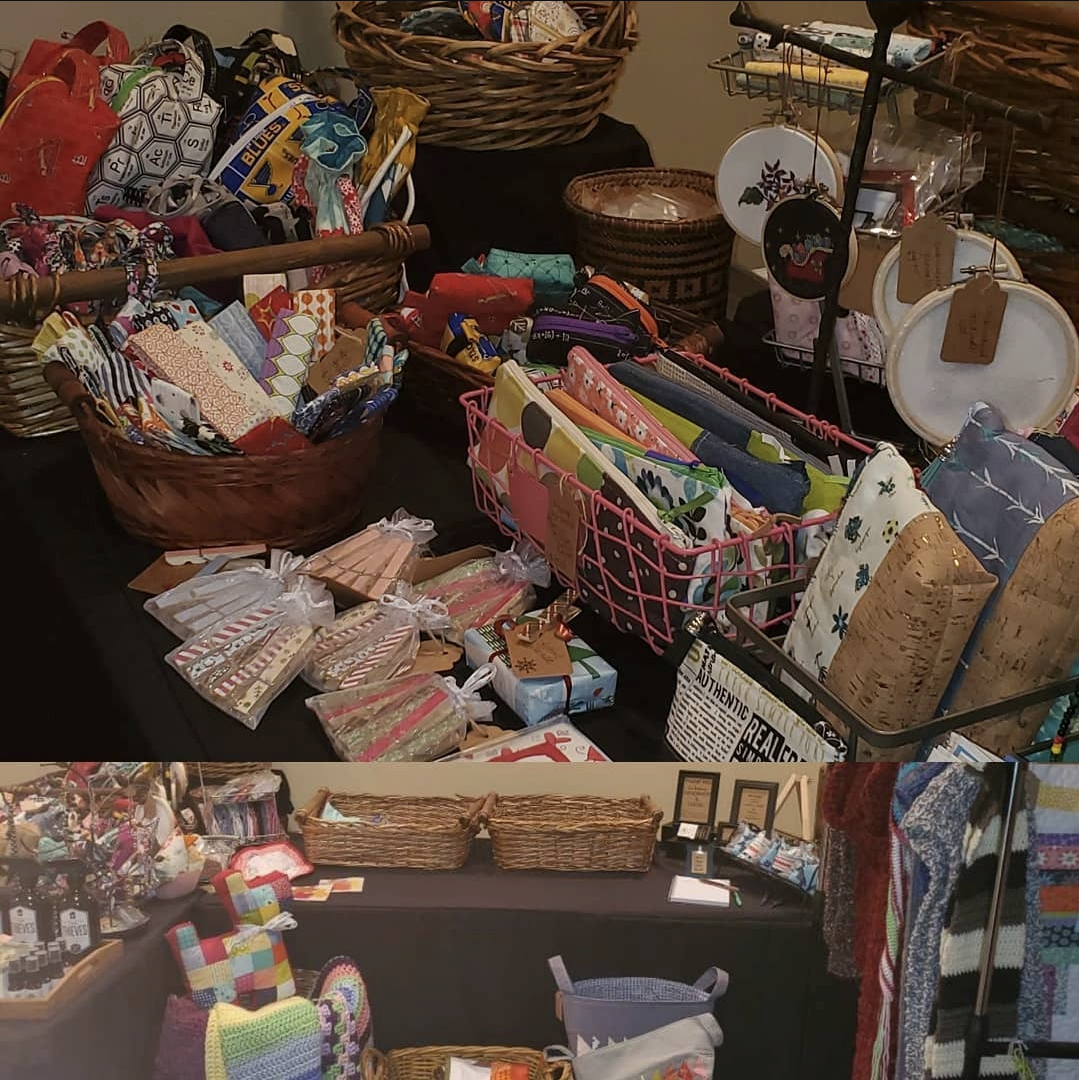
Years ago, I decided to try selling some of the things I made at craft fairs. I spent weeks making inventory and getting everything ready for the first one.
I hated it.
Not making things. I still loved that. I hated the craft fair part. Packing everything up, hauling it there, setting up, sitting there all day, packing it all back up again. I knew after the first one that I didn’t want to keep doing it.
And then I did another one.
I’d already made all that inventory. I’d bought what I needed. I’d put so much time into getting ready. Stopping after one felt like wasting all of it.
But doing another craft fair didn’t give me any of that time back. It just took more of it.
I’ve done smaller versions of the same thing plenty of times. I’ve finished books I wasn’t enjoying because I’d already read half of them. I’ve kept watching shows I didn’t particularly like because I’d already watched six episodes. I’ve hung onto projects and crafts I’d lost interest in because I’d already put hours into them.
I’ve also started working toward bigger goals and realized somewhere along the way that I didn’t actually want what I’d originally decided I wanted. Or I still wanted some version of it, just not the one I’d started working toward.
We spend a lot of time worrying about wasting what we’ve already invested. We don’t always count what it will cost us to keep going.
Is It Hard, or Do You Just Not Want It Anymore?
Those aren’t the same thing.
Anything worth doing is going to have days when it’s difficult, frustrating, inconvenient, or just not much fun. One frustrating week at work isn’t necessarily a reason to change careers. One bad workout isn’t a reason to stop exercising. One disappointing trip doesn’t mean you’re done traveling.
I’ve wanted to quit things on bad days that I was perfectly happy to continue a week later.
That’s different from realizing, over time, that something doesn’t fit anymore.
A hobby can run its course. A volunteer role can stop working with your schedule. A goal you set five years ago may not be one you’d set today.
Sometimes there isn’t anything wrong with it.
You just don’t want to do it anymore.
Is It Still Important to You?
I think this is easy to forget once we’ve committed to something.
We spend so much time asking ourselves whether we’re following through that we don’t stop to ask whether the thing we’re following through on still matters to us.
I’ve started working toward goals and then realized that what I wanted had changed. Sometimes I didn’t want the goal anymore. Other times I still wanted the general idea, but I wanted to get there a different way.
Changing your mind doesn’t automatically mean you give up every time something gets difficult.
It means you’re allowed to look at a decision you made three years ago and decide whether you’d still make it now.
Would You Choose It Today?
This may be the most useful question I’ve found:
If I weren’t already doing this, would I choose it today?
If I hadn’t already made all that craft fair inventory, would I have signed up for another craft fair after realizing how much I disliked the first one?
No.
That would have told me quite a bit.
The same question works with smaller things too. If I hadn’t already read 200 pages of this book, would I choose to spend tonight reading it? If I hadn’t already watched six episodes, would I start this show tonight? If I weren’t already committed to this project, would I take it on now?
The time you’ve already spent is gone either way.
Continuing doesn’t get it back.
What Will It Cost to Keep Going?
This is the other side I didn’t think about with those craft fairs.
I was thinking about everything I’d already invested. I wasn’t thinking nearly as much about what doing another one would require.
More time making things. Another day spent setting up and sitting at a booth I didn’t want to be sitting at. Another teardown. Another drive home.
The same thing happens with the little stuff.
If I spend another five hours finishing a book I don’t care about, that’s five hours I can’t spend reading one I might love.
If I keep working on a project I’ve lost interest in simply because I’ve already put ten hours into it, I’m giving it more hours.
The next five hours count too.
That’s the part I try to pay attention to now.
Maybe You Don’t Need to Quit the Whole Thing
Sometimes I’ve realized I don’t actually want to quit what I’m doing. I want to change how I’m doing it.
The craft fairs were a good example. I didn’t want to stop making things. I wanted to stop trying to sell them at craft fairs.
Those were two different decisions.
The same could be true of a goal. Maybe you don’t want to train for the marathon anymore, but you still like running. Maybe a volunteer commitment no longer works, but you still want to help somewhere else. Maybe you’ve turned something you enjoy into a side business and discovered you liked it better before you were trying to make money from it.
Sometimes the part that needs to go isn’t the whole thing.
It’s just the version that no longer works.
So How Do You Know When It’s Time to Quit?
I don’t think there’s one answer that works every time.
A bad day isn’t enough. Neither is boredom or frustration. I’ve been glad plenty of times that I kept going when something was hard.
But if I’ve been thinking about quitting for a while, these are the questions I’d ask:
- Is this just hard right now, or have I stopped wanting it?
- Is it still important to me?
- If I weren’t already doing it, would I choose it today?
- What will it cost me to keep going?
- Do I actually want to quit, or do I want to do it differently?
The craft fair answer was easy. I just took longer than I needed to admit it.
There will be other decisions where the answer isn’t nearly as obvious.
But I don’t want the time I’ve already spent making the decision about how I spend the time I have next.
Every Friday, one thing we noticed, tried, or figured out — plus one small way to approach the week differently.