
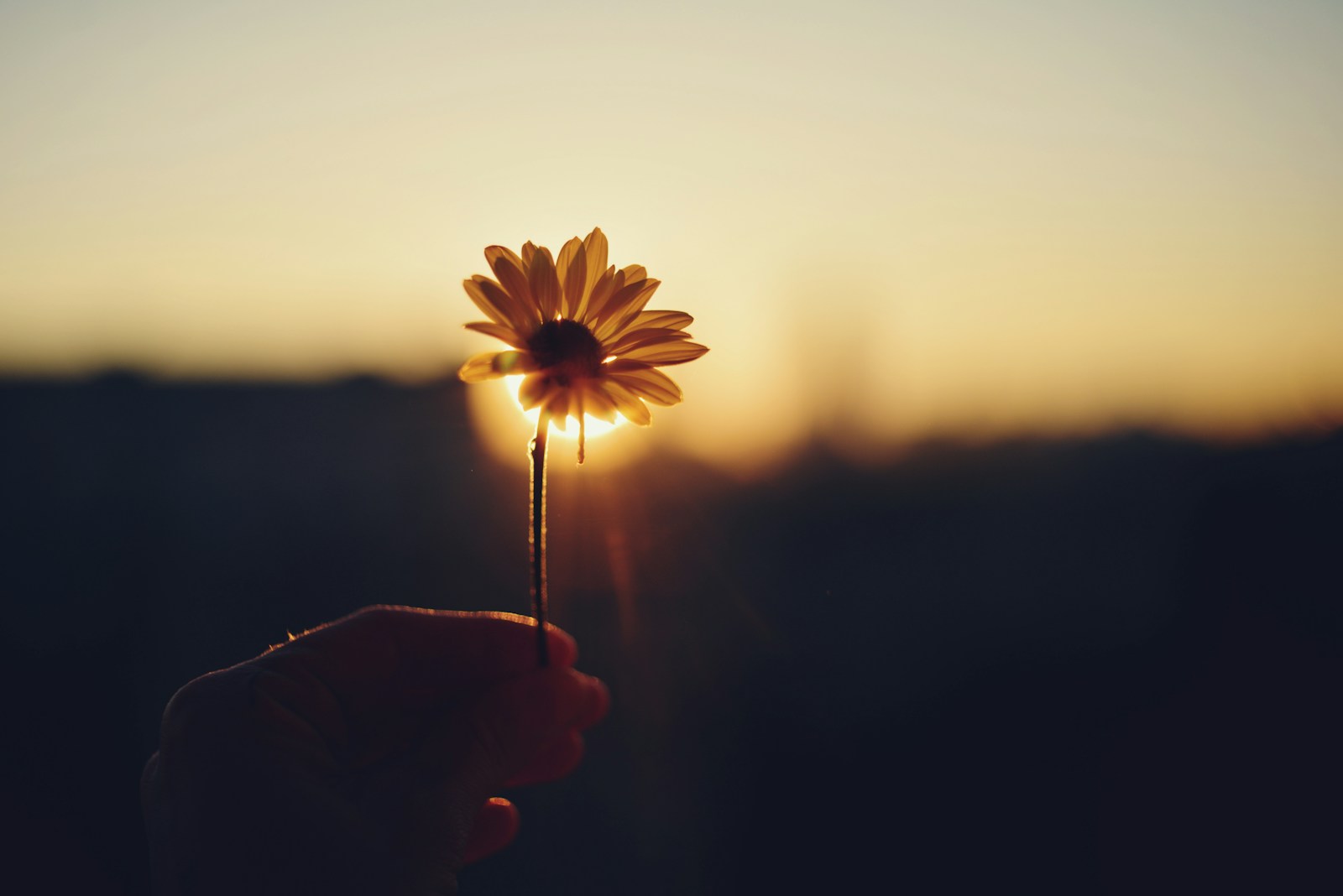
When life moves fast, the little things are often the first to slip by unnoticed.
The quiet comfort of a warm mug in your hands. The way morning light hits the kitchen counter. A deep breath you didn’t realize you needed.
Most of us are so used to doing, striving, and pushing that we forget how to be—how to fully experience a moment. But the truth is, the real magic of life usually lives in the ordinary. And mindfulness is how we find our way back to it.
You don’t need to meditate for hours or sit cross-legged in silence to live more mindfully. You just need to show up—to your body, your breath, your surroundings. Mindfulness is simply paying attention, on purpose. And when you start doing that, joy has a funny way of sneaking in.
Here’s how to bring more presence—and a little everyday adventure—into your life.

1. Turn Ordinary Tasks Into Mini-Adventures
We tend to think of adventure as something big—like a trip or a bucket-list moment. But sometimes the most powerful adventures are the ones that happen in your own kitchen.
Try this:
Pick one daily chore and slow it way down. Washing dishes, folding laundry, even sweeping the floor. Let it become a practice. Feel the textures. Notice the sounds. Let your breath match the rhythm of your movement.
Why it works:
When you engage fully in a task, it becomes more than a chore—it becomes a ritual. One that reminds you you’re alive and part of something bigger than your to-do list. These mini-adventures ground you. They give your brain a break from multitasking and your nervous system a chance to settle.
My example:
During a tough season a few years ago, folding laundry became a moment of calm for me. I’d light a candle, put on quiet music, and take my time. That tiny shift helped me feel less frazzled and more in control—like I had space to breathe, even in the middle of chaos.

2. Start a Gratitude Practice That Feels Real
Gratitude can sound like a buzzword, but when you actually practice it—especially when things feel heavy—it changes everything.
Try this:
Each evening, jot down three small things you appreciated that day. Not big milestones—just the little stuff. A good laugh. A stranger holding the door. The smell of dinner cooking. Keep your journal where you’ll see it, and let it become a nightly ritual.
Why it works:
This practice rewires your brain to notice the good. Over time, it shifts your baseline. You stop glossing over the sweet moments and start living in them. Gratitude makes you more mindful without forcing it. It also gives your mind something solid to land on when everything else feels uncertain.
My example:
When I was juggling work, parenting, and going back to school in my 50s, I started a gratitude list in the notes app on my phone. Some days, all I had was “coffee,” “a walk,” and “didn’t cry in the parking lot.” But even that helped me realize I was still standing—and that counted for something.
✨ Start your own gratitude ritual.
Explore the Gratitude Journal — a 90-day guided space to slow down, reflect, and find joy in the everyday.

3. Let Nature Be Your Reset Button
You don’t need a weekend retreat or mountain hike to connect with nature. Even a 10-minute walk around your block or sitting under a tree in your yard can offer a shift.
Try this:
Schedule a weekly “nature reset.” Go somewhere green. Leave your phone in your pocket. Pay attention to the way the leaves move, the way the air feels, the light patterns on the ground. Just observe, without trying to make it productive.
Why it works:
Nature has a way of slowing our pulse and quieting the internal noise. It’s a natural regulator. Being in green space helps reduce cortisol (your stress hormone), lowers blood pressure, and boosts your mood. And when you’re in nature, you’re reminded that you’re part of something much bigger.
My example:
Tom and I started walking outside daily after his hip replacements—not just for fitness, but for sanity. Rain or shine, we’d loop the neighborhood, sometimes talking, sometimes just moving in silence. It became our reset—our way to reconnect with each other and ourselves.

4. Practice Single-Tasking (Seriously, It’s a Superpower)
We’ve been trained to think multitasking is a virtue. But the truth is, it divides our attention, spikes stress, and makes everything take longer.
Try this:
Choose one part of your day—like drinking your morning coffee, cooking dinner, or walking the dog—and do only that. No phone, no podcasts, no catching up on emails. Just be in the moment.
Why it works:
Single-tasking is like strength training for your focus. It helps you slow your thoughts and enjoy the task in front of you. It also gives your brain a much-needed break from overstimulation. Even five minutes of focused attention can shift your whole mood.

5. Build Small Moments of Stillness Into Your Day
Stillness doesn’t have to mean sitting in meditation for 30 minutes. It can be a pause between tasks. A breath before responding. A few minutes of quiet in the car before heading inside.
Try this:
Start with one intentional pause each day. It could be in the morning before the day begins, or a quiet moment before bed. Use that time to breathe, check in with your body, or just sit without distraction.
Why it works:
Stillness gives your nervous system time to downregulate. It creates space for reflection, resets your stress response, and allows emotions to surface and move through. These small windows of quiet help you process your life while you’re living it.
This idea connects closely to how adventure doesn’t have to be dramatic to be meaningful — something I explore more in
What Is Adventure, Really?.

Final Thoughts: Everyday Joy Isn’t a Destination—It’s a Practice
You don’t need a perfect routine or a picture-perfect life to feel joy. You just need a willingness to slow down, show up, and see what’s already there.
Mindfulness isn’t about doing more—it’s about doing less, but with more heart. It’s about being here, now, fully. And in that presence, you’ll find more peace, more connection, and more joy than you thought possible.
You’re not waiting for life to begin. You’re already in it. Let’s make it count.
A quiet note before you go
Everyday joy isn’t something you earn once life is sorted out. It shows up when you give your attention to what’s already unfolding — even in imperfect seasons.
This post is part of the Mindset & Reinvention pillar at Handcrafted Adventure — a space for reflection, clarity, and change that unfolds gradually, not all at once.
If you’d like a few quiet, practical resets delivered by email, you can choose a simple starting point here:
→ Explore the Mindset & Reinvention free guides
When you’re ready for deeper structure
If you’re ready for something steadier to return to, the Life Reinvention Planner & Workbook offers supportive structure for clarity, direction, and realistic next steps — without forcing a total overhaul.
→ View the Life Reinvention Planner & Workbook
Related reading
Explore the full Mindset & Reinvention pillar here.
A quick note on approach
The Mindset & Reinvention pillar is designed to support reflection, clarity, and intentional change — not to replace professional guidance. The ideas and tools shared here are meant to help you notice what’s shifting, think more clearly, and take realistic next steps. Everyone’s circumstances are different, and you’re always encouraged to seek qualified support when navigating major life, health, or financial decisions.