

By September, we have enough of the year behind us to know a few things we didn’t know in January.
Some plans worked. Some changed, and a few things that seemed important back in January probably don’t matter nearly as much now. There may be other things we keep thinking about that deserve more attention than we’ve given them.
I like books that make me reconsider something I’ve been taking for granted — how I’m spending my time, what I’m working toward, whether the things I say matter to me are getting much of my real attention. That’s a different kind of book than the ones promising to change your life by Tuesday, and it’s the kind I keep coming back to.
You don’t have to agree with everything in any of them. I usually don’t. But each one gives you something worth thinking about.
The September Reading List
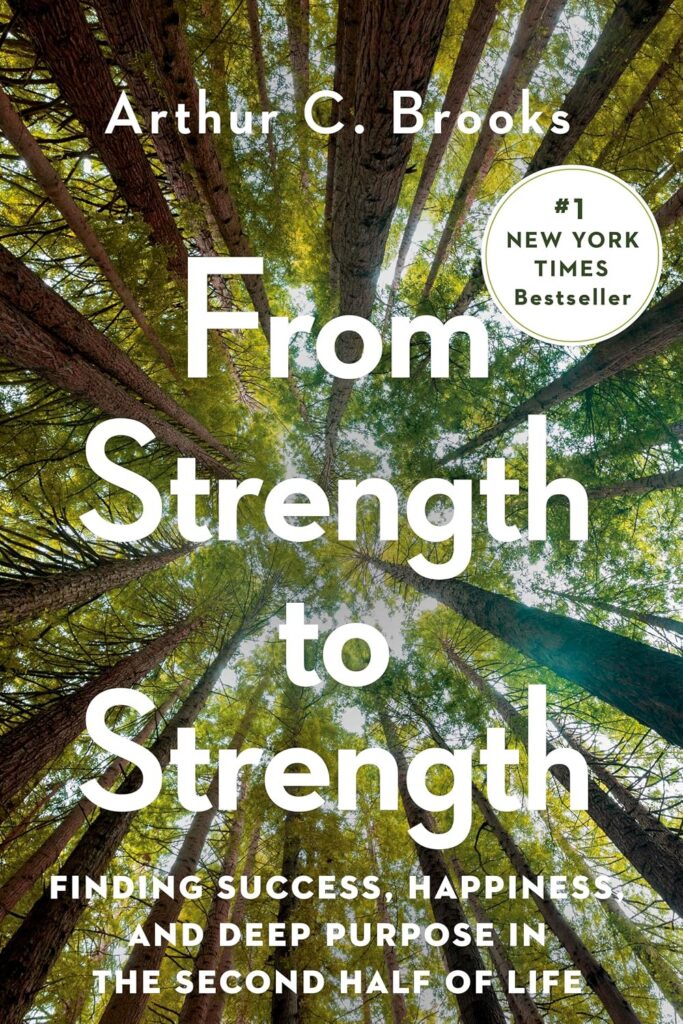
From Strength to Strength by Arthur Brooks
Arthur C. Brooks starts with an uncomfortable reality: some of the abilities that help us succeed earlier in life don’t stay at their peak forever. But other strengths grow with experience — knowledge, perspective and the ability to connect what we’ve learned over time.
Getting older doesn’t have to mean preserving an earlier version of ourselves. We can pay attention to the strengths we have now and reconsider whether the things we once called success still matter in the same way. I felt that after going back to school in my 50s — some things were harder than they would have been years earlier, but I brought a lot more life experience with me too.
Brooks also looks beyond career and achievement to relationships, service, wisdom and spiritual life, which broadens this from a book about aging into one about how we want to use the years ahead.
Why read it: If you’re interested in getting older without treating the goal as staying exactly the same.
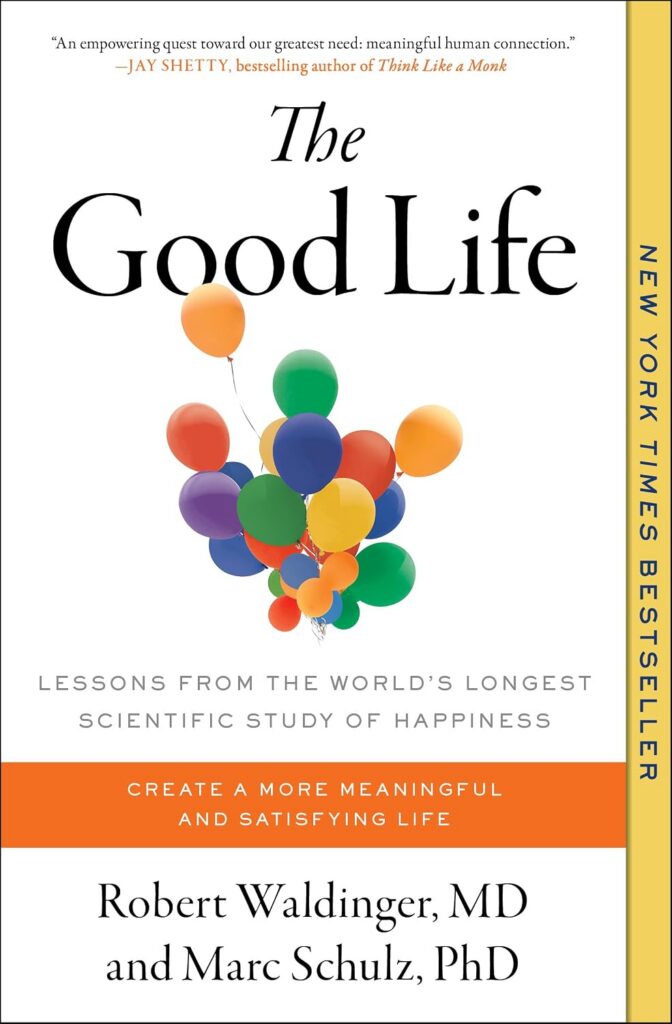
The Good Life — Robert Waldinger & Marc Schulz
The Good Life draws on the Harvard Study of Adult Development, which has followed people over decades to see what actually contributes to a good life. One of its strongest findings is the importance of good relationships to both happiness and health.
That sounds simple until you notice how easily relationships get whatever time is left. We schedule work, appointments, projects and vacations. The people we love can become part of the background because we assume they’ll still be there when everything else is done. Except everything else is never done.
I like that the book doesn’t equate good relationships with having a huge social circle. The quality of our connections matters, and so does taking care of them.
Why read it: If you want a research-based look at what seems to matter when a good life is measured across decades instead of days.
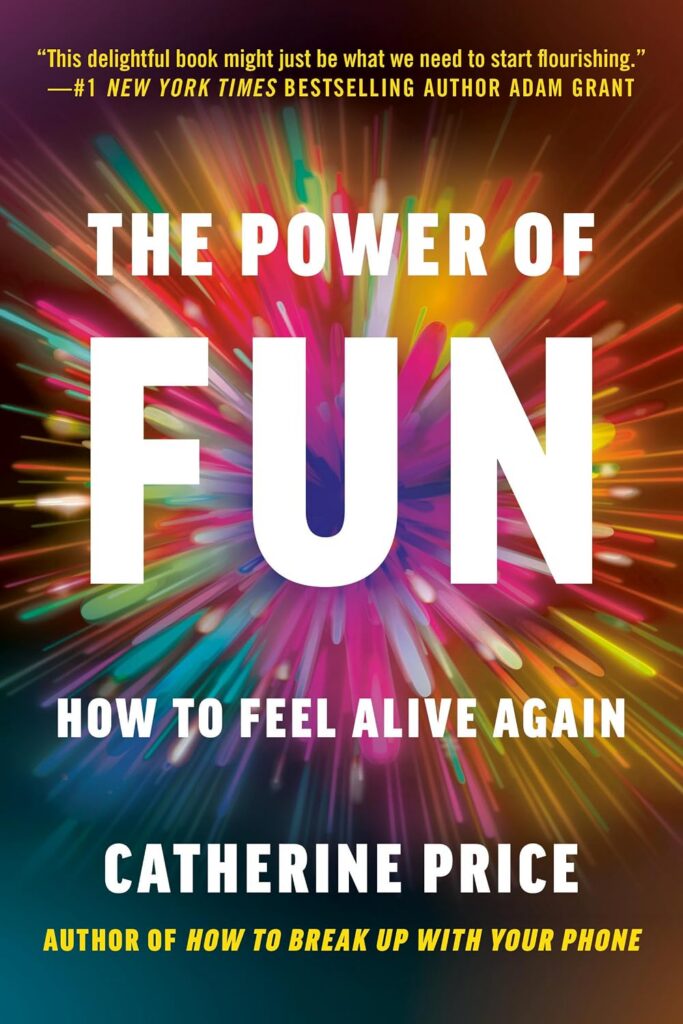
The Power of Fun — Catherine Price
Adults are very good at making time for things that are productive, responsible, healthy or useful. Fun tends to get whatever is left.
Catherine Price distinguishes what she calls “True Fun” from things we use mostly to check out. Her version involves playfulness, connection and flow — the experiences that pull us in enough that we’re not checking the time or thinking about what we should be doing instead.
Tom and I can spend hours playing old arcade games. I love exploring somewhere we haven’t been, wandering through a museum or finding a trail. None of those things accomplish much. That’s sort of the point.
Why read it: If your weeks contain plenty of things that need to be done and you’re not sure how much of what you do is still fun.
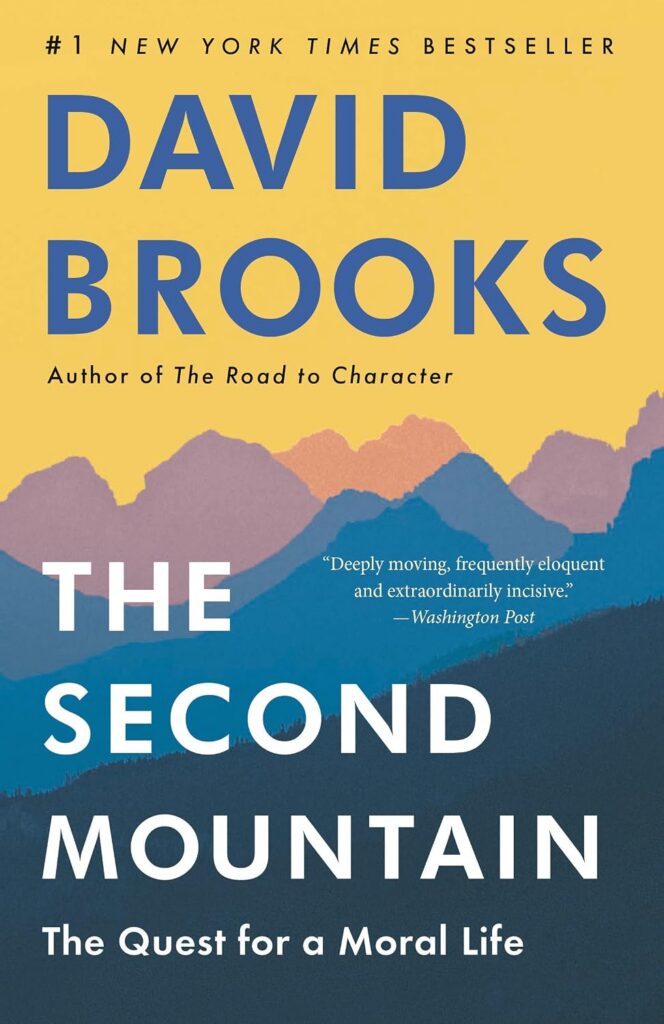
The Second Mountain — David Brooks
The Second Mountain begins with the idea that many of us spend the first part of adulthood climbing toward the things we’re told will make a successful life — building careers, establishing ourselves, working toward goals. David Brooks calls that the first mountain. The second mountain is different: his argument is that a meaningful life eventually asks us to move beyond individual achievement and make deeper commitments — to other people, meaningful work, community, beliefs or something larger than ourselves.
I don’t think you need to accept the mountain metaphor completely to find the question behind it useful. There’s a point when keeping every option open stops being as valuable as deciding what deserves your commitment — and commitment always closes other doors. But eventually a life is made out of those choices.
What I found more interesting is Brooks’s emphasis on what we’re willing to bind ourselves to, rather than simply what feels meaningful. You can spend years asking what you want. At some point it’s also worth asking what you care about enough to keep showing up for.
Why read it: If you’ve accomplished some of what you once wanted and have started thinking more about what deserves the next part of your life.
If You Want a Simple Weekly Reset
Each Friday I send The Weekly Reset — one grounded perspective and one small action for making more of the life you already have.
You’ll also get the Starter Library, nine documents to help you get unstuck and figure out what deserves your attention next.
Your Turn
You don’t need to read all four. Look at what you’ve been thinking about lately and choose from there.
A reading list is more useful when the book meets a question you already have.