
Modern life has become incredibly smooth.
Dinner can arrive without leaving the couch.
Groceries appear at the door.
Entertainment streams endlessly.
Conversations happen through a screen.
Almost every inconvenience that once shaped daily life has been engineered away.
This is the promise of frictionless living.
Convenience is one of the great achievements of modern life.
But it comes with a quiet tradeoff.
When frictionless living becomes the default, life can slowly lose its texture.

Friction Used to Be Part of Everyday Life
Not long ago, daily life required participation.
You walked places.
You cooked meals because there wasn’t another option.
You ran into people while doing ordinary things.
Plans took effort, and effort meant you were involved in what was happening around you.
None of this felt meaningful at the time.
It was simply how life worked.
But those ordinary frictions created movement.
They created interaction.
They created moments that made a day feel lived.
When Life Becomes Too Easy
Modern convenience removes many of those moments.
Meals become deliveries.
Evenings become streaming.
Free time becomes scrolling.
None of these things are inherently bad.
Convenience saves time.
It reduces stress.
It removes unnecessary effort from daily life.
But when too much of life becomes frictionless, something subtle begins to change.
Days become smoother.
But they also begin to blur together.
You move through them quickly, yet very little of them stays with you.

Why Friction Creates Experience
Friction slows you down just enough to make you present.
Cooking dinner often turns into conversation.
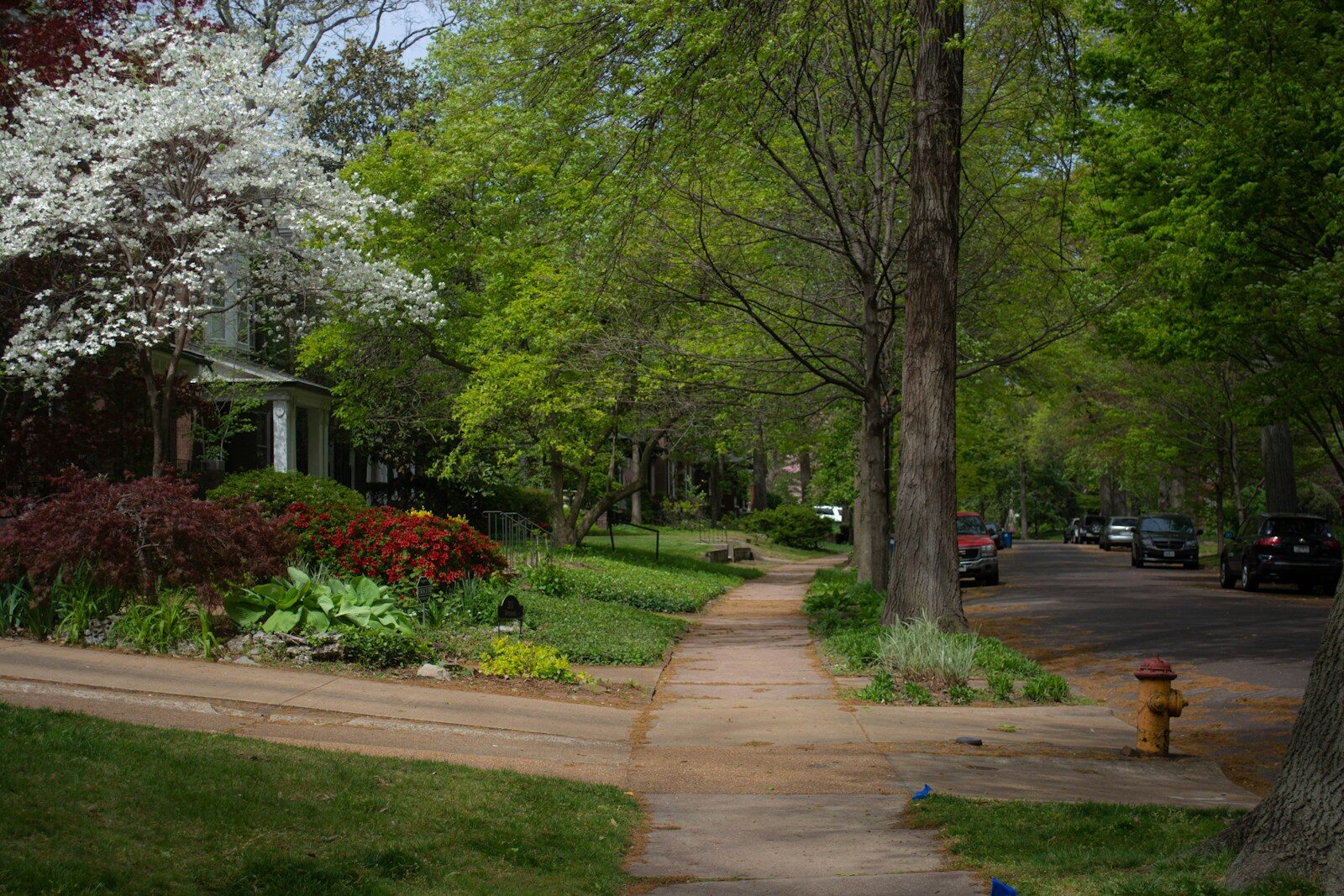
Walking somewhere makes you notice your surroundings.
Planning something simple gives you something to look forward to.
These moments rarely feel dramatic while they’re happening.
But later, they’re often the ones we remember.
The dinner that turned into laughter.
The walk that cleared your head.
The unexpected conversation that stretched the evening.
Experience rarely forms in perfectly optimized lives.
It forms through participation.
The Disappearing Texture of Modern Life
When everything becomes easy, life can begin to feel strangely flat.
Meals become fuel instead of gatherings.
Evenings become background noise.
Free time becomes something to fill rather than something to use.
But the day no longer leaves much behind.
The small frictions that once created interaction, movement, and story slowly disappear.
And without those moments, life begins to feel less vivid.
Choosing the Right Kind of Friction
Not all friction is valuable.
Traffic isn’t meaningful.
Bureaucracy isn’t enriching.
Pointless struggle rarely improves anything.
But some forms of friction create the conditions for life to happen.
Cooking together.
Walking instead of driving.
Planning something small instead of defaulting to entertainment.
These choices require a little more effort.
But they also create movement, connection, and memory.
Sometimes the goal isn’t eliminating friction.
Sometimes the goal is choosing the kind of friction that makes a day feel real.
Nothing is technically wrong.

What Makes a Day Feel Lived
A day rarely becomes memorable because it was perfectly optimized.
It becomes memorable because something required your attention.
Your participation.
Your presence.
A conversation that went longer than expected.
A walk that turned into reflection.
A simple plan that gave the evening direction.
None of these moments require dramatic change.
They simply require stepping back into the parts of life that ask something of you.
Over time, those choices begin to shape the structure of your days.
And the structure of your days quietly becomes the structure of your life.
Continue the Conversation
If ideas like this resonate with you, I share reflections like this each week in the Friday Reset newsletter.
Short notes about living deliberately, building structure into your days, and finding adventure in the everyday.
You can join here.