

Most reinvention stories end at the turning point. You make the decision, go back to school, change careers, move, get through the hard season, and reach the thing you’ve been working toward. Hardly anyone talks about what happens after that.
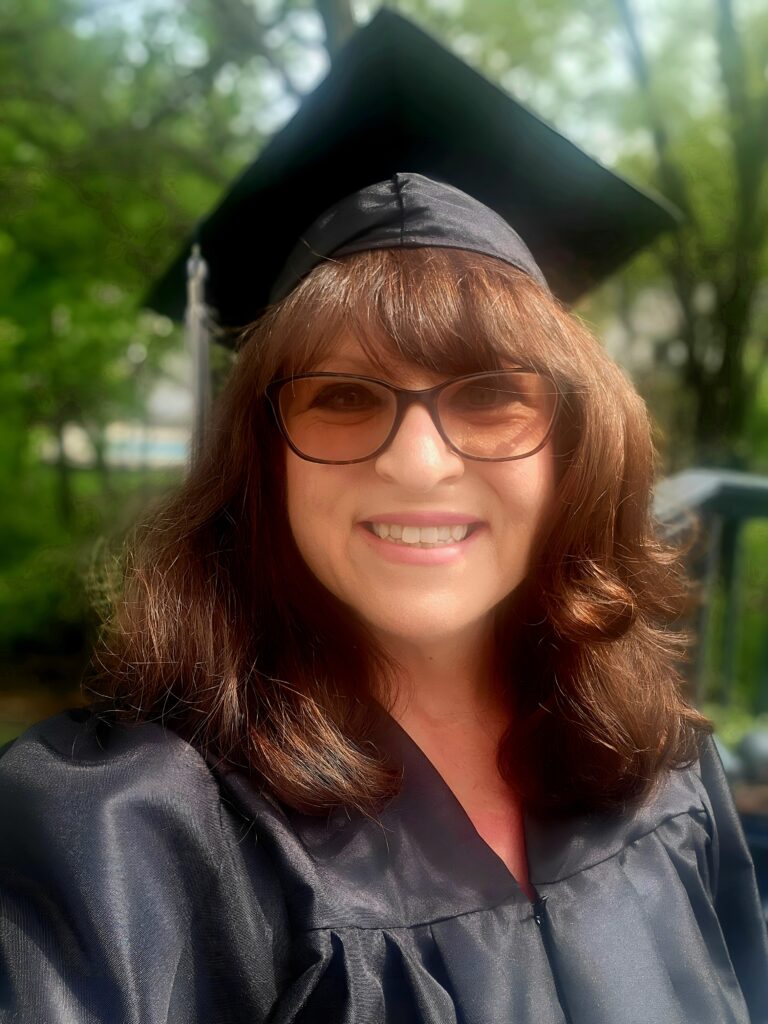
I graduated from radiologic technology school, started a completely new career, and eventually reached the point I’d spent years working toward. Then life kept going. We sold our house and bought another one, we moved, there was surgery, work stayed busy, and there were plenty of projects and responsibilities to fill the days. Nothing was wrong.
Then I started noticing something I didn’t expect. For years I’d had somewhere very specific to go. School gave me deadlines, clinical rotations, exams, and a credential to work toward, and there was always another requirement waiting. Once that was gone, I had more freedom, and I had to decide what to do with it.
When the Thing That Was Driving You Is Finished
Some seasons come with their own structure. You know what you’re working toward, and that goal makes a lot of smaller decisions for you.
During school, I didn’t wake up every morning and decide whether becoming a radiologic technologist still mattered. I’d made that decision once, and the schedule followed from it. Classes and clinicals happened when they happened, studying fit around both, and there was a clear finish line. That kind of structure is exhausting, and it also gives your effort somewhere to go.
Then you finish. The deadlines go away, the novelty wears off, and the thing you worked so hard to build becomes your normal life. Goals that pulled you forward for years can stop pulling. When that happens, it’s easy to wonder if you chose wrong. More often, the old goal has done what you needed it to do.
Nothing Has to Be Wrong for Direction to Get Blurry
Something obviously wrong is easy to spot. A good life that has lost its direction is harder. You’re grateful for what you have, you’re handling your responsibilities, and you still catch yourself thinking, Okay. What am I doing now?
For a while I treated that as a motivation problem. I figured I needed another goal or more push, or that I should be more excited about where I’d landed. What I needed was to pick a direction for this version of my life, instead of running on the priorities left over from the last one.
Some Goals Expire Without Being Failures
We sometimes expect something that once mattered a lot to keep motivating us forever. For a few years, finishing school needed a huge share of my attention, and it should have. It would make no sense to keep organizing my life around being a student after graduation.
Other endings are quieter. A goal you’ve chased for years stops feeling important. A routine that used to help starts to feel mechanical. What those things gave you still counts, and you may be ready to decide what deserves your energy now.

When Nobody Hands You the Next Syllabus
This was the biggest adjustment for me. There was no next semester telling me what mattered most, so I had to decide things school had always decided for me. How much did I want to work? What did I want my health and strength to look like over the next ten years? What did Tom and I want to do with our time? Which trips and plans did we keep talking about and never put on the calendar? What was I willing to say no to so those things had room?
I keep having to answer those questions, and I expect I always will. Answering them on purpose beats drifting into whatever fills the week first.
Start With What Still Deserves Your Energy
When direction gets blurry, it’s tempting to ask the giant question: What do I want to do with the rest of my life? That’s a terrible question to have to answer on a Tuesday.
I get further with what’s in front of me. What still feels worth my time? What am I continuing mostly because I always have? What have I been saying matters without making room for it? What would I hate to realize I’m still putting off a year from now? And what’s already good and worth protecting? That last one matters as much as the others, because sometimes finding direction means deciding on purpose what to keep.

Put Something on the Calendar
Tom and I can talk about a place we’d like to go for months. Then we pick a weekend and make a reservation, and suddenly we’re going. The same thing happens with health, projects, time with people, and learning something new.
Once something has a date, it has a real chance. I don’t need every hour scheduled, but the things I care about shouldn’t keep losing to whatever feels urgent that week, and that takes more than a good intention.
Build Structure Around the Life You’re In Now
After a big change, it’s tempting to recreate the intensity that got you through it. The structure I needed for school was built for school, and what I need now is different.
I want routines that support my energy instead of using all of it up, with enough structure that the important things don’t disappear and enough room that a work shift, a trip, or an unexpected Wednesday doesn’t knock everything over. These days I care more about things I can come back to than things I can do perfectly, and that goes for exercise, food, work, writing, and planning.

You May Want Something More Without Wanting a Different Life
Wanting more can mean more time for something you care about, more strength, more experiences, more creativity, more say over your schedule, or more days when you get to do the things you’ve been meaning to do.
There’s a lot about my life that I love, and I have no interest in replacing it. Being grateful for it hasn’t stopped me from wanting things, making plans, or deciding what I’d like to change.
Direction Doesn’t Have to Be Permanent
I used to think I was trying to figure out the next big thing. Now I want enough direction to make good decisions about the season I’m in. That might mean choosing what I want this year to hold, deciding what gets more of my time and what gets less, and putting a few things on the calendar instead of leaving them in someday. I’ll learn from living it, and at some point I’ll choose again.
Going back to school was one of the biggest changes I’ve ever made. Finishing it opened up possibilities I didn’t have before, and it didn’t come with instructions for what to do with them. I’m still working that out.
These questions are a big part of why Tom and I built the Fully Lived Framework, a 90-day guided program we’ve been using in our own lives. In January, we’re opening it to a small founding group.
The Fully Lived Framework · Founding Beta
More life in the life you already have.
A 90-day guided program with a printed workbook, about an hour a week, a short video each week, and a group call every other week. Founding beta price: $97, or $167 when you bring someone with you. Enrollment opens in November and closes December 1.
Join the Beta Interest List →Joining the list doesn’t commit you to enrolling.